

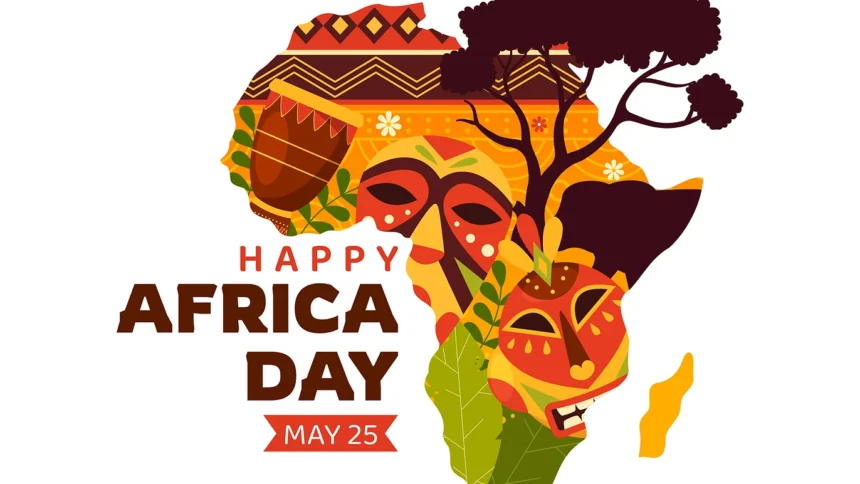
Every year on May 25, Ghana joins the rest of the continent to celebrate Africa Day, formerly known as African Union (AU) Day.
The occasion marks the founding of the Organization of African Unity (OAU) in 1963, now the African Union, and serves as a reminder of Africa’s long journey toward unity, freedom and development.
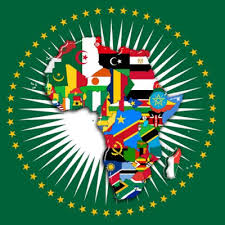
In Ghana, Africa Day is more than a ceremonial observance. It is a reflection of the country’s historic role in the Pan-African movement and its enduring commitment to African solidarity.
Ghana’s Historic Connection to Pan-Africanism
Ghana occupies a unique place in Africa’s liberation story. Under the leadership of Kwame Nkrumah, the country became the first sub-Saharan African nation to gain independence from colonial rule in 1957.
Nkrumah strongly believed that Africa’s future depended on unity among African states.
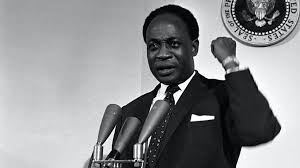
His famous declaration, “The independence of Ghana is meaningless unless it is linked up with the total liberation of Africa,” continues to resonate across the continent.
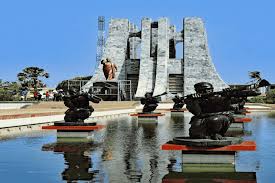
Today, statues, monuments and institutions in Ghana continue to honour the ideals of Pan-Africanism. The Kwame Nkrumah Memorial Park in Accra remains a symbol of Ghana’s contribution to Africa’s liberation and integration efforts.
How Ghana Celebrates Africa Day
Africa Day celebrations in Ghana are marked by cultural displays, educational forums, musical performances and diplomatic engagements.
Schools often organise debates and exhibitions on African history and identity, while universities and civil society groups host discussions on governance, youth empowerment and continental development.
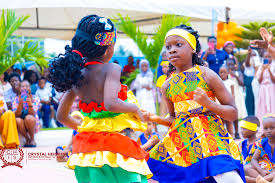
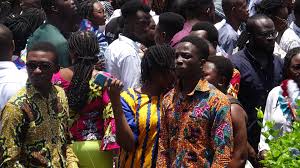
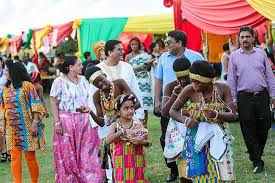
Traditional attire also becomes prominent during the celebrations, with many Ghanaians proudly wearing locally made African prints and kente cloth to showcase cultural identity.
In recent years, digital campaigns and social media conversations have expanded the reach of Africa Day celebrations, especially among the youth.
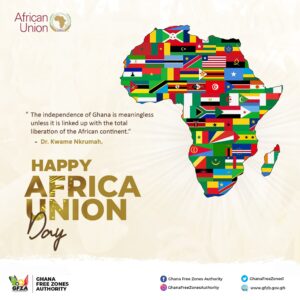
Messages promoting African pride, entrepreneurship and cultural heritage dominate online platforms.
Diplomatic missions and African embassies in Ghana also use the occasion to strengthen cooperation and celebrate the continent’s diversity.
The African Union’s Vision
The African Union was established to promote political and economic integration among African countries. Over the years, the AU has focused on peacekeeping, trade, education, infrastructure and youth development.
One of its major initiatives is the African Continental Free Trade Area (AfCFTA), which seeks to create a single market across Africa.

Ghana hosts the AfCFTA Secretariat in Accra, reinforcing the country’s central role in continental integration.
The African Continental Free Trade Area is expected to boost intra-African trade, create jobs and reduce economic barriers between countries.
Challenges Facing the Continent
While Africa Day is a celebration of progress and unity, it also provides an opportunity for reflection. Many African countries continue to grapple with challenges such as unemployment, political instability, climate change, public debt and insecurity.
In Ghana and across the continent, young people are increasingly calling for better governance, economic opportunities and stronger institutions.
Analysts argue that Africa’s large youth population could become one of its greatest strengths if properly supported through education, innovation and investment.
A Celebration of Identity and Hope
For many Ghanaians, Africa Day is ultimately a celebration of identity, a moment to appreciate the continent’s resilience, creativity and cultural richness.
From highlife music to traditional dance, from local cuisine to indigenous languages, the day highlights the shared heritage that connects Africans beyond borders.
As Ghana celebrates another Africa Day, the spirit of Pan-Africanism championed by Kwame Nkrumah continues to inspire conversations about unity, self-reliance and Africa’s place in the global community.
More than six decades after the founding of the OAU, Africa Day remains both a celebration of how far the continent has come and a reminder of the work still ahead in building the “Africa We Want.”
CREDIT: Mavis Fantevi