

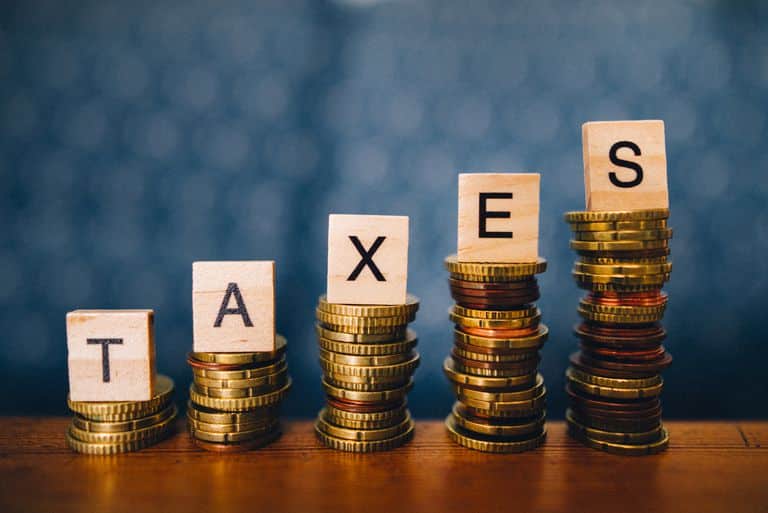
Taxes are part of everyday life in Ghana, even when many people do not immediately notice them.
Every time a person buys goods from a supermarket, pays for mobile data, eats at a restaurant, or imports products into the country, some form of tax is involved.

For many people in Accra, taxes influence how much they spend, how much businesses charge, and how far salaries can stretch before the end of the month.
Ghana’s tax system is made up of direct taxes and indirect taxes. Direct taxes include Pay As You Earn deductions from salaries and corporate taxes paid by businesses. Indirect taxes are charged on goods and services.
These include Value Added Tax, the National Health Insurance Levy, and the COVID-related levy that was introduced during the pandemic period.
Consumers often feel the impact of these taxes immediately because they increase the final prices of goods and services.
For small businesses in Accra, taxes can become both a responsibility and a burden. Traders, restaurant owners, tailors, mechanics, and online vendors often complain about multiple payments collected by different authorities.
Some pay income taxes while also dealing with market tolls, business operating permits, and utility charges. For businesses already struggling with high fuel prices, rent, and inflation, these costs can reduce profits and slow expansion.

In recent years, rising taxes on fuel and imported goods have contributed to increases in transportation fares and food prices across the capital. When import duties rise, shop owners often increase prices to avoid losses.
The Electronic Transfer Levy also sparked widespread debate in Ghana because it affected mobile money transfers and digital payments.
While the government argued that the levy would help increase national revenue, critics believed it discouraged digital transactions and affected low income earners who relied heavily on mobile money for everyday activities.

The conversation highlighted a larger issue about how taxes affect different groups in different ways.
Supporters of taxation argue that taxes are necessary for development because revenue collected by the state helps fund roads, schools, hospitals, security services, sanitation projects, and public sector salaries.
Without taxes, governments would struggle to provide public services. However, many Ghanaians continue to question whether tax revenue is being used efficiently.
Concerns about corruption, wasteful spending, and poor infrastructure often shape public frustration.

Experts say one major challenge is that Ghana’s tax base remains narrow. A relatively small number of people and registered businesses carry much of the formal tax burden while a large informal sector contributes less consistently.
This creates pressure on governments to introduce new taxes or increase existing ones. At the same time, many small businesses operate without proper records, making tax collection difficult.
There are also concerns about tax education, where many people do not fully understand how taxes are calculated or why certain deductions are made from their income.

Some business owners struggle with filing procedures and compliance requirements. Analysts argue that improving transparency and public education could strengthen trust in the system.
In Accra, where the cost of living continues to rise, the debate over taxes has become closely tied to larger questions about economic survival and fairness.
For workers and small businesses alike, taxes are not just government policy. They shape daily decisions about spending, savings, investment, and long-term growth.
Credit: Manasseh Wintemah Apurum