


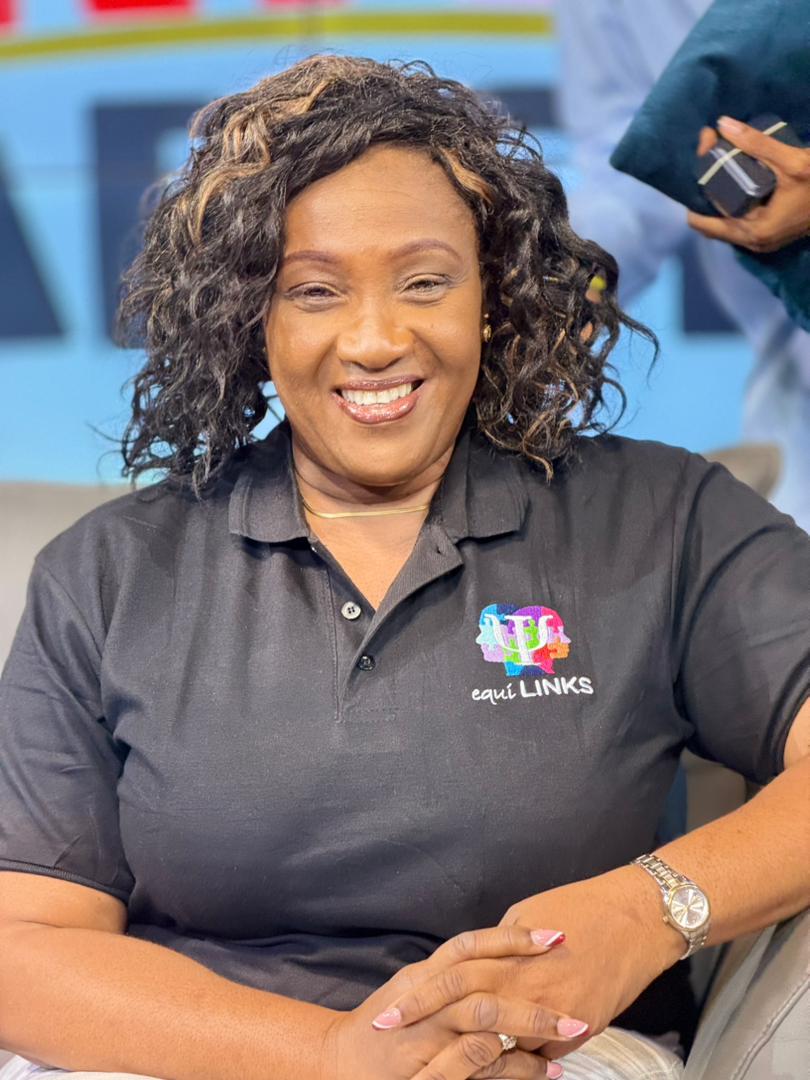
Consultant Clinical Psychologist and CEO of Equilinks, Dr. May Cullen Wulff-Caesar, has called for greater understanding and support for elderly people experiencing mental and behavioural changes, stressing that some conditions require medical attention rather than being dismissed as old age.
Speaking on mental health challenges affecting older persons in Ghana on Bullet tv’s Morning Target with Bright Nana Amfoh, Dr. Wulff-Caesar explained that memory loss and emotional distress can sometimes cause elderly people to react aggressively.
“Sometimes the aged react aggressively because sometimes they feel like they’re being taken advantage of due to memory loss,” she said.
She further noted that certain behaviours exhibited by older people may be linked to underlying medical conditions that require professional care.
“There are some medical conditions that make people exhibit these behaviours and that needs medical care and shouldn’t be attributed to old age,” she added.
Dr. Wulff-Caesar emphasised the importance of communication and inclusion in caring for the elderly, urging families to pay closer attention to their emotional well-being.
“Communication is key between the aged person and the people around them,” she stated.
She also encouraged families to involve older relatives in everyday activities to reduce loneliness and boredom.
“Including our old folks into our daily activities can alleviate some boredom and loneliness,” she said.
Adding to the discussion, Clinical Psychologist Eric Nanteer-Oteng highlighted the role of technology in helping elderly people stay socially connected.
“So far we’ve seen that using digital is quite helpful and it’s a way for the older persons to connect with other people,” he noted.
He also stressed that ageing should not be viewed only through the lens of sickness.
“Aging shouldn’t be mainly about sickness but even if the sickness comes, it’s normal due to the atrophy of cells,” he explained.
The experts’ remarks add to growing conversations around mental health awareness and elderly care in Ghana, with calls for stronger family support systems and improved access to psychological and medical care for the aged.
CREDIT: Mavis Fantevi