


Behind the noise of politics, economic hardship and national development debates, Ghana is quietly battling one of the most dangerous public health emergencies of this generation a worsening nutrition crisis and a deadly rise in non-communicable diseases threatening the future of millions.
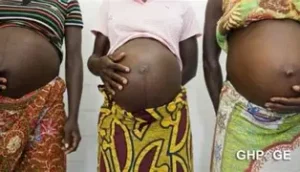
Across hospitals, rural clinics and overcrowded communities, thousands of children are suffering from severe acute malnutrition while pregnant women battle anaemia and poor nutrition during pregnancy.
At the same time, hypertension, diabetes, cancers and stroke are rising rapidly among adults, placing unbearable pressure on families and the country’s fragile healthcare system.
Health experts warn that unless urgent interventions are implemented, Ghana could face increasing deaths, reduced productivity, rising healthcare costs and long-term economic losses that may affect national development for decades.
Recent findings presented during a national nutrition engagement organised by the WOMEC FOUNDATION , ELEANOR CROOK FOUNDATION AND NOURISH GHAND Health Access Initiative and stakeholders under the Nourish Ghana Project revealed shocking statistics about the country’s nutrition and health situation.
According to Abdul-Fatahi Adam, Senior Analyst for Child Health at CHAI, Ghana records an estimated 68,517 severe acute malnutrition cases annually, yet only 16 percent of affected children were diagnosed and admitted for treatment in 2024.
The presentation further revealed that 51 percent of pregnant women in Ghana suffer from anaemia while 11 percent of babies are born with low birth weight, increasing the risk of sickness, developmental complications and death among infants and mothers.
Health professionals say the crisis is no longer just about hunger or food shortages but about access to proper nutrition, healthcare financing, education and early treatment.
Globally, malnutrition remains one of the leading causes of child mortality, with the World Health Organization and UNICEF warning that millions of children continue to suffer from wasting and micronutrient deficiencies, especially in developing countries.
Experts say Ghana’s situation is being worsened by poverty, rising food prices, unemployment, weak health systems, inadequate nutrition education and poor access to healthcare services in deprived communities.
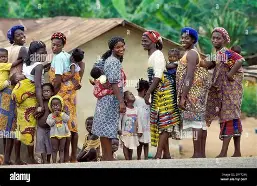
In many rural communities, mothers are unable to afford nutritious meals during pregnancy, while children suffering from malnutrition often reach health facilities too late due to distance, stigma, and lack of awareness.
Health workers say some parents still mistake severe malnutrition for spiritual attacks or normal childhood sicknesses, delaying treatment until conditions become life-threatening.
CHAI explained that two major interventions Ready-to-Use Therapeutic Food (RUTF) and Multiple Micronutrient Supplements (MMS) could significantly reduce child deaths and improve maternal health outcomes if fully financed and made accessible nationwide.
RUTF is a nutrient-rich peanut-based therapeutic food used to treat children suffering from severe wasting, allowing them to recover from malnutrition at home without prolonged hospital admission.
MMS, a supplement containing 15 essential vitamins and minerals for pregnant women, has been proven globally to reduce low birth weight by 12 percent, stillbirths by 8 percent and preterm births by 7 percent.
Experts estimate that every one dollar invested in MMS generates approximately 37 dollars in economic and health returns.Yet despite these proven benefits, Ghana continues to struggle with serious financing and access gaps.
Data presented during the engagement showed that although admissions for severe acute malnutrition have increased significantly since 2025, only 23.3 percent of identified cases received RUTF treatment in the first quarter of 2026.
Even more worrying, the cure rate dropped to 63 percent — far below the international Sphere Standard target of 85 percent.
Health experts blame the situation on years of donor dependency, weak supply chains, inadequate domestic financing, poor policy implementation, myths surrounding malnutrition treatment and weak public education.
For years, nutrition interventions in Ghana have depended heavily on donor support, leaving treatment programmes vulnerable whenever international funding reduces or delays occur.
Stakeholders say this overdependence has weakened Ghana’s ability to sustain nationwide nutrition programmes independently.Despite the challenges, CHAI and its partners say progress is being made.
The organization disclosed that more than 13,000 cartons of quality-assured RUTF were distributed nationwide in 2025 while 610 healthcare workers across 14 districts were trained on community management of acute malnutrition.
Approximately 5,165 children benefited from CHAI-supported nutrition interventions, contributing to a 46 percent increase in treatment rates between January and December 2025.

Additionally, more than 35,866 bottles of Multiple Micronutrient Supplements were distributed to pilot sites across the country to improve maternal nutrition and safe pregnancies.
Stakeholders are therefore calling for the inclusion of RUTF and MMS under Ghana’s National Health Insurance Scheme reimbursement package to ensure sustainable financing and nationwide access.
According to health experts, inclusion under NHIS would eliminate the financial burden on poor families, stabilize supply chains, improve access to treatment and reduce donor dependency.
The call comes as Ghana pledged at the 2025 Nutrition for Growth Summit in Paris to spend at least six million dollars annually on essential nutrition commodities beginning from 2026.
However, experts insist that political promises alone will not solve the crisis unless backed by clear budget allocations, procurement systems and implementation strategies.
At the same time, Ghana is battling a sharp rise in non-communicable diseases, which now account for nearly 45 percent of all deaths nationwide.
A presentation by Rev. Prince Baidoo on the relationship between NCDs and Free Primary Healthcare revealed that hypertension, diabetes, stroke, cancers and chronic respiratory diseases are increasing rapidly across the country.
Hypertension remains one of the most common conditions affecting adults, while diabetes prevalence continues to rise, especially in urban areas.
Health experts attribute the increase to unhealthy diets, excessive sugar and salt intake, alcohol consumption, smoking, lack of exercise, obesity, stress, urbanization and poor mental health.

The country is also witnessing increasing cases of breast, cervical, prostate and liver cancers.
Experts warn that Ghana is now facing a dangerous “double burden” where infectious diseases and lifestyle diseases are rising simultaneously, overstretching healthcare facilities and increasing household medical expenses.
Many Ghanaians living with hypertension and diabetes remain undiagnosed because they rarely undergo routine medical screening.
Rev. Baidoo believes Ghana’s could become one of the strongest tools for reversing the crisis through prevention, early detection and community-based healthcare delivery.
The policy includes hypertension and diabetes screening, nutrition counselling, immunization, antenatal care, family planning and basic outpatient services.
Health advocates say stronger investments in preventive healthcare, nutrition education, community screening and healthy lifestyle campaigns are urgently needed.
They also believe the media has a critical role to play in educating the public, exposing gaps in healthcare delivery and holding authorities accountable for nutrition and health financing commitments.
Civil society organisations, development partners and health advocates are now urging government, Parliament, the Ministry of Health, the Ghana Health Service and the National Health Insurance Authority to move beyond policy discussions and act decisively.
Experts recommend increased domestic funding for nutrition programmes, expansion of community health services, improved healthcare infrastructure, stronger supply chains, affordable healthy foods, nationwide education campaigns and mandatory routine screening for non-communicable diseases.

They also want stronger collaboration between government agencies, development partners, traditional leaders, schools, churches, the media and local communities.
For many healthcare professionals, the fight against malnutrition and non-communicable diseases is no longer only a medical issue but a national development challenge affecting education, productivity, economic growth and the future survival of vulnerable populations.

As Ghana struggles with rising healthcare pressures and economic difficulties, experts say the country stands at a critical moment where decisions made today could determine whether thousands of children and mothers survive tomorrow.
Without urgent action, they warn, the nation’s silent nutrition and health crisis may become one of the greatest threats to Ghana’s future development.
SOURCE: Christian Ahodie Yaw