
Ghana’s plans to introduce Artificial Intelligence (AI), coding, robotics and financial literacy into its school curriculum took centre stage during a high-level study visit by officials from The Gambia seeking to learn from the country’s education reforms.
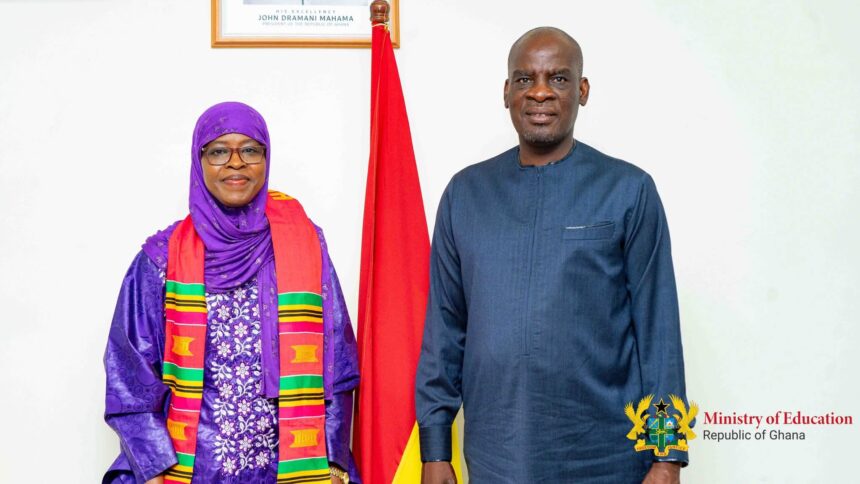
The Gambian delegation, led by Minister for Basic and Secondary Education Dr. Habibatou Drammeh, visited Ghana to explore best practices in education governance, digital transformation, accountability systems and workforce management.
Addressing the delegation, Minister for Education Haruna Iddrisu disclosed that Ghana is reviewing its curriculum to align with emerging global trends and equip learners with skills needed for the future economy.
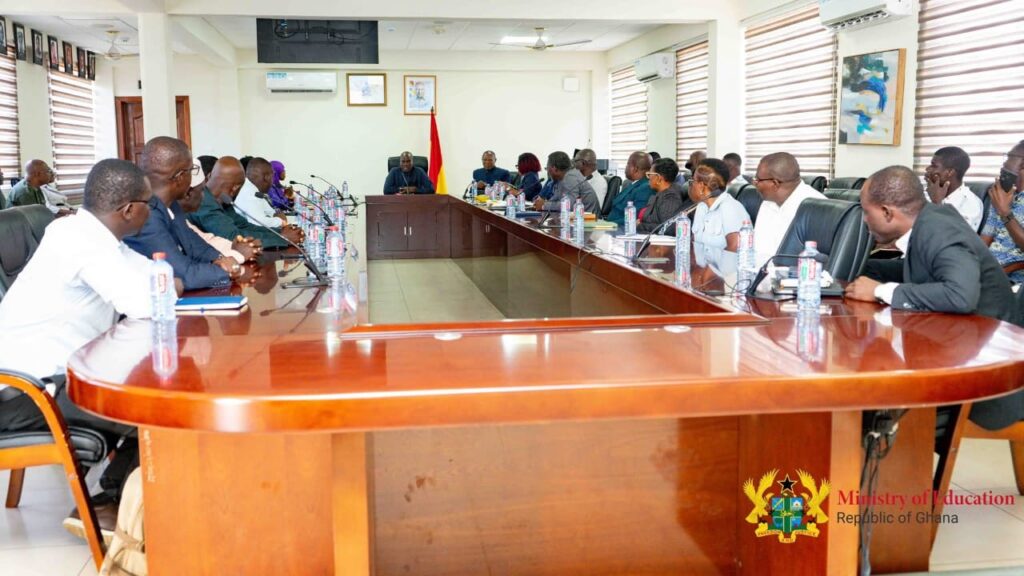
According to the Minister, the proposed reforms will incorporate AI, coding, robotics, financial literacy and collaborative learning into the country’s education system, reflecting government’s commitment to preparing students for a rapidly changing world.
Mr. Iddrisu also highlighted Ghana’s renewed focus on foundational education, stressing that strong literacy and numeracy skills remain critical to the success of learners at all levels.
He noted that while substantial investments have been made in secondary education in recent years, government is now placing greater emphasis on early childhood and basic education to strengthen learning outcomes nationwide.
The Gambian delegation also engaged officials of the Ghana Education Service (GES), where they were introduced to Ghana’s School Report Card initiative and digital data systems used to monitor teacher attendance, school performance, infrastructure conditions and learning outcomes.
Dr. Drammeh commended the systems, describing them as effective tools for promoting accountability and supporting evidence-based policymaking.
She indicated that The Gambia is currently implementing a World Bank-supported Public Administration Modernization for Citizen-Centric Service Delivery Project and believes Ghana’s experience offers valuable lessons for the country’s reform agenda.
As part of efforts to deepen collaboration, Dr. Drammeh proposed a Memorandum of Understanding (MoU) between the two countries to facilitate continuous exchanges of technical expertise, policy innovations and best practices.
The visit is expected to pave the way for stronger cooperation between Ghana and The Gambia, while reinforcing the role of African-led partnerships in improving education outcomes across the continent.
SOURCE: MAVIS FANTEVI