


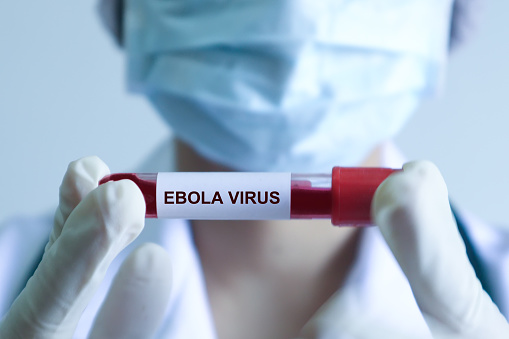
The World Health Organization has intensified efforts to contain the ongoing Ebola outbreak linked to the Bundibugyo virus in the Democratic Republic of the Congo and Uganda, as suspected cases and deaths continue to increase across the two countries.
According to the latest WHO situation report released on May 18, 2026, a total of 528 suspected Ebola cases, including 132 deaths, have been recorded in both countries.
Health authorities in Uganda reported 12 suspected cases, with two confirmed through laboratory testing while the remaining cases tested negative. The WHO noted that surveillance, laboratory testing and contact tracing activities are still ongoing, meaning figures could change rapidly in the coming days.
The report disclosed that 668 contacts linked to the outbreak have so far been identified, including 541 in the DRC and 127 in Uganda. However, health officials say tracking contacts in some parts of the DRC remains difficult due to insecurity and movement restrictions.
To strengthen the emergency response, the WHO said alert management and case investigations are being expanded in affected communities. In the DRC, 38 experts made up of officials from the Ministry of Health and WHO personnel have been deployed from Kinshasa to Bunia to support operations on the ground.
The global health body also announced that more than 17 tonnes of emergency medical supplies, including personal protective equipment, medicines, tents and stretchers, have been shipped to the DRC to aid containment efforts.
Laboratory capacity is also being increased through the deployment of mobile laboratories and specialised lab teams to improve testing and diagnosis in affected areas.
The WHO added that it is collaborating with humanitarian partners including Alliance for International Medical Action, Médecins Sans Frontières, International Organization for Migration and International Federation of Red Cross and Red Crescent Societies to establish treatment facilities and strengthen response measures.
Authorities are also intensifying community engagement and public awareness campaigns to encourage local participation in the fight against the outbreak.
CREDIT: Mavis Fantevi