


Ghana’s private sector is under siege, from political interference to rising costs and policy missteps, minority in Parliament is warning that the country risks losing its indigenous business base if urgent reforms are not considered.
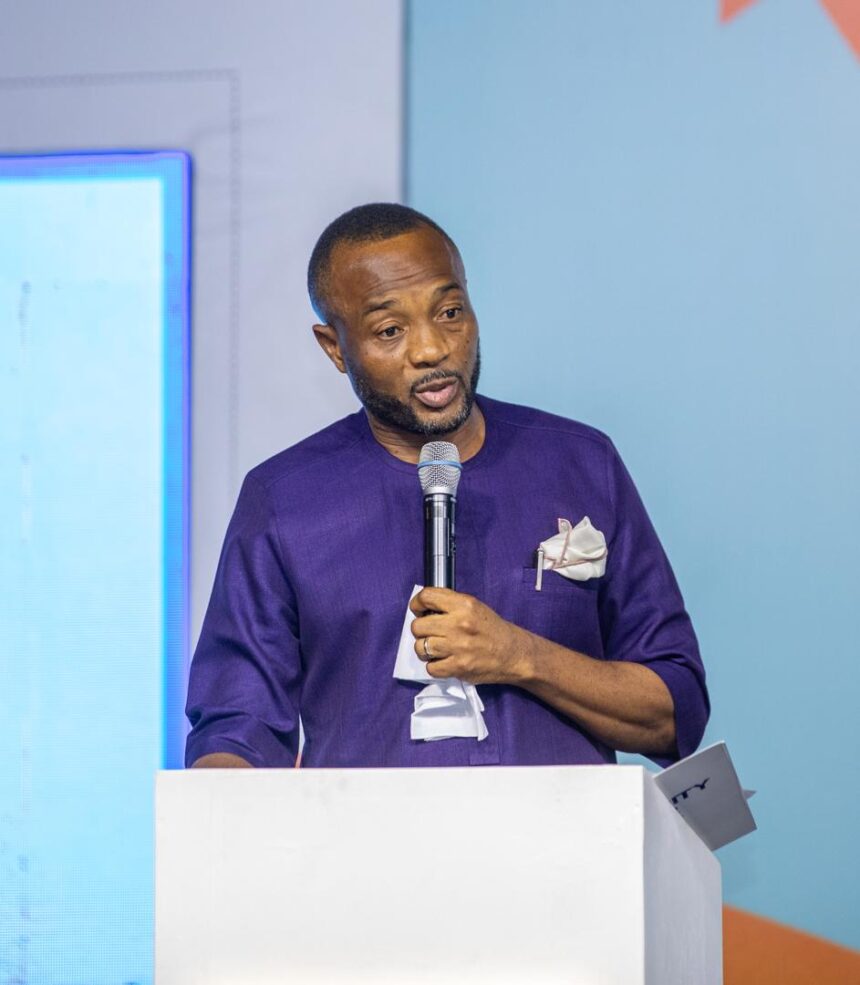
Speaking at the Kwahu Business Forum 2026, Second Deputy Minority Whip, Hon. Jerry Ahmed Shaib, passionately stressed the current condition of the business community in Ghana, stating that “the system is not just challenging businesses, it is working against them, we cannot preach entrepreneurship while the system makes capital structurally inaccessible,” he declared.
At the centre of the Minority’s concern is what they described as the growing politicisation of business in Ghana.
According to the caucus, businesses are increasingly being judged based on perceived political alignment, a situation they say is distorting competition and discouraging innovation.
“The success of a business should never depend on which political regime is in power,” Hon. Shaib stressed.
Beyond politics, the Minority painted a grim picture of a business environment weighed down by structural challenges.
From limited access to financing to high operational costs, many businesses are being squeezed from all sides.
• 60–80% of small businesses fail within five years
• High lending rates and strict collateral requirements block access to credit
• Energy costs are forcing manufacturers to cut production
“The manufacturer is being squeezed from both ends, costs that the government will not reduce, and import competition it cannot match.”
Adding to the pressure is what businesses describe as a stacked tax regime, where multiple levies, including VAT, NHIL, and GETFund, are applied simultaneously on the same transactions.
The Minority also accused the government of sidelining industry players in decision-making, describing a pattern where policies are introduced without meaningful consultation.
“Policy is conceived, drafted, and announced, and industry is invited afterwards and told that constitutes consultation.”
This, they argue, has led to poorly designed policies, such as the controversial AI-driven customs assessment system at the ports, leaving businesses with inflated charges and little room to appeal.
Despite being in opposition, the caucus has outlined a series of measures aimed at reversing the trend, including:
• Mandatory stakeholder consultation before major policies
• Review of taxes and utility tariffs
• Reforms to improve SME access to financing
• Greater parliamentary oversight of business-related systems
Credit: Prince Kwame Kudogah And Mavis Fantevi