


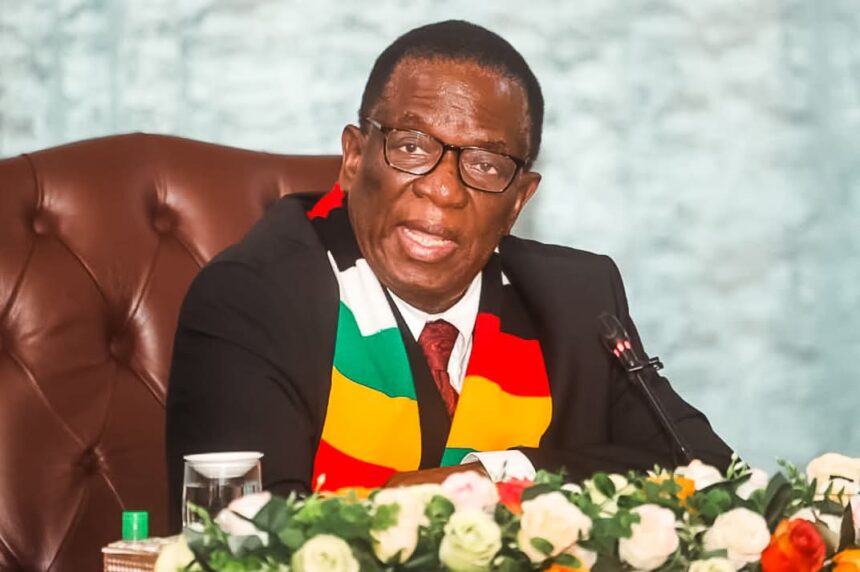
Zimbabwe’s cabinet has approved draft legislation that could allow President Emmerson Mnangagwa, 83, to remain in office until at least 2030.
Under the proposals, presidents would be chosen by members of parliament rather than through a direct vote, and their terms would be extended from five to seven years, with a maximum of two terms.
Justice Minister Ziyambi Ziyambi said public consultations would precede parliamentary debate. Both chambers are dominated by the ruling Zanu-PF party, making passage likely.
But constitutional experts argue that such changes require a referendum, and they stress that amendments cannot benefit a sitting president.
A Long Tenure in Sight
Mnangagwa, nicknamed “the crocodile” for his political cunning, came to power in 2017 after a military coup ousted Robert Mugabe, Zimbabwe’s longtime leader. He won elections in 2018 and again in 2023, though both results were disputed. His current five-year term is set to expire in 2028.
Hints of his ambition to stay beyond that date began surfacing two years ago. At Zanu-PF rallies, supporters chanted, “2030 he will still be the leader,” arguing he needed more time to complete his “Agenda 2030” development program. Mnangagwa publicly rejected the idea, but the slogan persisted.
In 2013, Zimbabweans overwhelmingly approved a new constitution that introduced presidential term limits, a reform seen as a safeguard against Mugabe’s entrenched rule. Mnangagwa, once Mugabe’s deputy, fell out with him amid tensions over the political ambitions of the then-first lady.
Now, critics say the proposed legislation undermines the spirit of that referendum.
Dissent and Its Costs
Mnangagwa has faced detractors within his own party. His fiercest critic, Blessed Geza, widely known as “Bombshell” died last week in South Africa.
A respected veteran of the 1970s independence war and a member of Zanu-PF’s central committee, Geza had launched a scathing attack on Mnangagwa’s bid to extend his rule. He apologized for helping him come to power and accused him of nepotism.
Zanu-PF expelled Geza for disloyalty, forcing him into hiding. Yet he continued to attract a large following on social media, where he posted videos calling for protests. Hours before his death, a message on his accounts urged Zimbabweans to carry forward the “noble war” to remove Mnangagwa and “end the plunder of our country.”
Andrease Ethan Mathibela, national chairman of the influential Zimbabwe National Liberation War Veterans Association, praised Geza’s courage: “At a time when silence would have been easier, he chose to speak out against corruption and nepotism that continue to undermine the promise of independence.”
The Road Ahead
Despite dissent, the government is pressing forward with its 2030 plans. Officials say the draft law is intended to strengthen governance and bring political stability.
Whether the legislation survives legal scrutiny and whether Mnangagwa himself can benefit from it — remains uncertain.