


The holidays are full of cheer and often, plenty of alcohol. But while a glass of wine or a round of cocktails may feel festive, your gut might not agree. Doctors and researchers say alcohol can change the way food moves through your digestive system, sometimes leaving you with bloating, diarrhoea or constipation.
What Alcohol Does to Digestion
Alcohol affects what’s called “transit time,” the pace at which food travels through the stomach and intestines. Strong spirits like whisky and vodka (above 15 percent alcohol) slow things down, which can cause that heavy, uncomfortable feeling. Lower‑alcohol drinks such as beer and wine do the opposite, speeding up the stomach’s emptying.
Over time, heavy drinking can accelerate transit through the small intestine. That faster pace is linked to diarrhoea, because the body has less time to absorb nutrients. Alcohol also interferes with the absorption of carbohydrates, proteins and fats, especially in the duodenum, the first part of the small intestine. Pairing alcohol with sugary foods or mixers makes diarrhoea even more likely.
Long‑term drinking can also bring on lactose intolerance, bacterial overgrowth in the small bowel, and reduced fat absorption when the pancreas doesn’t produce enough digestive enzymes. All of these changes can lead to loose stools.
Why Binge Drinking Can Backfire
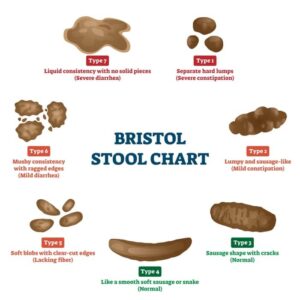
Oddly enough, binge drinking consuming a lot of alcohol in a short time can have the opposite effect. Animal studies show that acute alcohol intake slows the small bowel, leading to constipation. A study of more than 500 university students found that after heavy drinking episodes, stools were harder and drier. Researchers noted more “type 1” stools on the Bristol stool chart: small, separate lumps that resemble nuts. The delay meant food stayed longer in the intestines, allowing more water to be absorbed back into the body.
Gut bacteria may also play a role. The same study found higher levels of Actinobacteria in heavy drinkers. Still, binge drinking doesn’t always mean constipation. For people with irritable bowel syndrome, it often triggers diarrhoea, nausea and abdominal pain.
How to Ease the Effects
The simplest fix is moderation. If certain drinks consistently upset your stomach, cut back on those. If diarrhoea is the problem, avoid mixing alcohol with caffeinated beverages, which stimulate the colon. If constipation follows a night of drinking, hydration helps; water before, during and after alcohol can reduce dehydration and ease stool passage.
Eating beforehand also matters. Protein and fiber rich foods slow alcohol absorption and may protect the gut lining.
When to Be Concerned
Most alcohol‑related bowel changes are short‑lived. But if diarrhoea lasts more than a couple of days, or if you notice blood in your stool, it’s time to see a doctor. Persistent symptoms may point to conditions such as irritable bowel syndrome or inflammatory bowel disease