

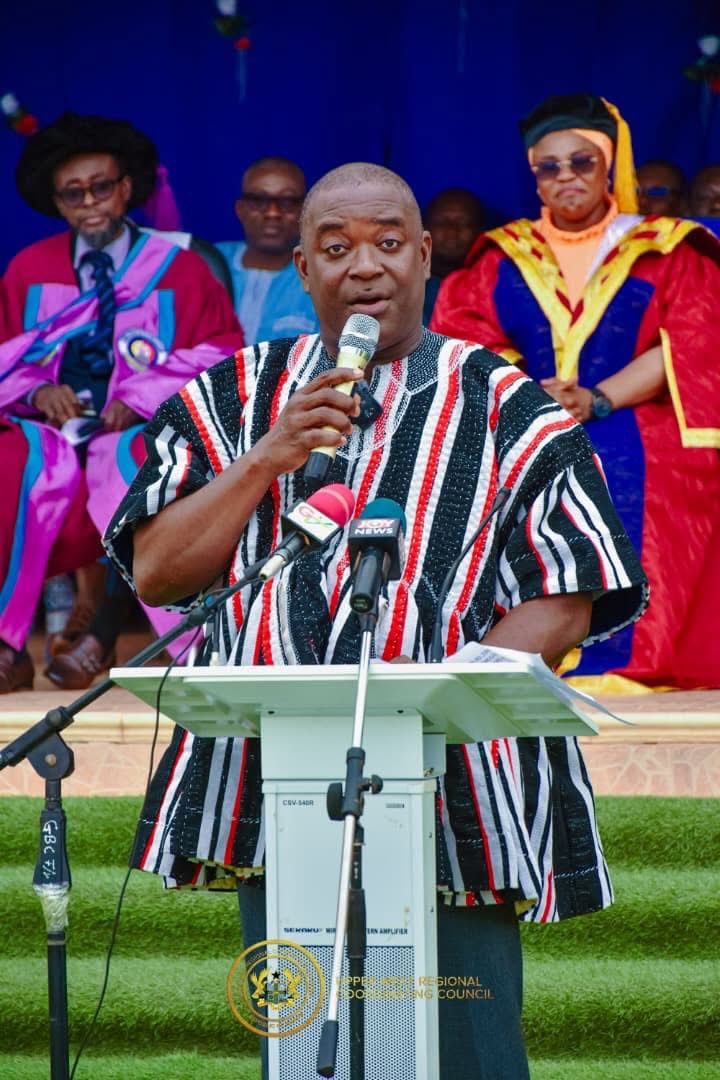
The Director-General of the Ghana Tertiary Education Commission (GTEC), Professor Ahmed Abdulai Jinapor, has cautioned public universities against the growing introduction of fee-paying admission schemes, warning that the practice threatens equity, access, and the integrity of Ghana’s tertiary education system.
Professor Jinapor expressed concern that some public universities have begun admitting students under special fee-paying arrangements, sometimes using such schemes as an alternative route for applicants who fail to meet standard entry requirements.
He noted that the practice risks excluding qualified but financially disadvantaged students, particularly from accessing well-resourced and highly sought-after public universities.
“The gradual normalisation of fee-paying admission systems in public universities could become a major barrier to higher education,” he warned. “It has the potential to further marginalise students with weaker academic grades, many of whom come from deprived backgrounds and already face systemic disadvantages.”
He stressed that admitting students under special fee-paying arrangements runs contrary to existing tertiary education regulations and urged university authorities to discontinue the practice.
According to him, financial and infrastructural challenges should not be addressed through policies that undermine fairness, merit, and equal opportunity.
“Public universities were established to expand access, not restrict it through financial barriers,” Professor Jinapor said. “Introducing fee-paying systems as an admission criterion raises serious questions about equity and regulatory compliance.”
The GTEC Director-General encouraged public universities to engage government, regulatory agencies, alumni, industry stakeholders, and development partners to address challenges such as funding gaps, accommodation shortages, and infrastructure deficits through lawful and collaborative approaches.
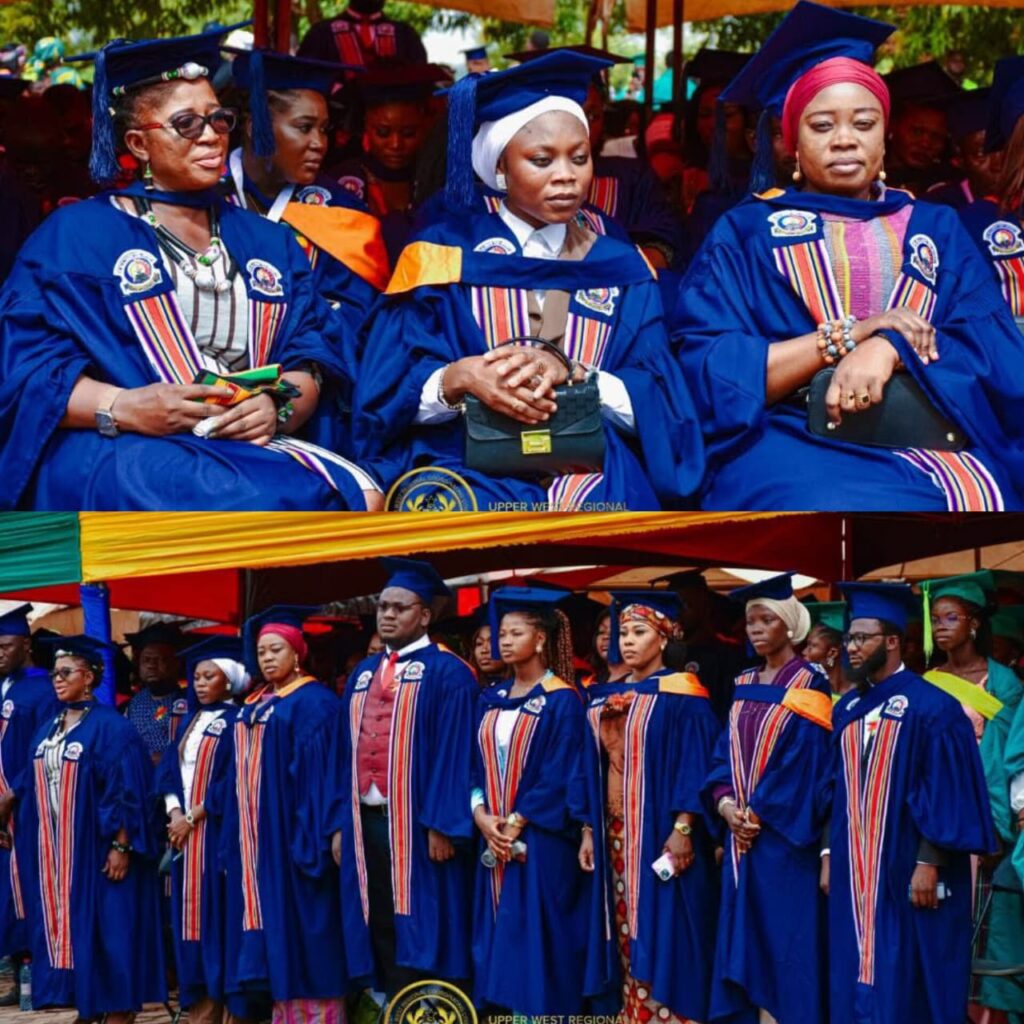
He made these remarks while speaking on the theme “The Proliferation of Tertiary Institutions in Ghana: The Role of the Regulatory Agencies” at the investiture ceremony of the Vice-Chancellor of Dr Hilla Limann Technical University (DHLTU), held alongside the university’s 7th graduation ceremony in the Upper West Region.
Professor Jinapor disclosed that Ghana’s tertiary education sector now comprises over 300 accredited institutions, including 16 traditional universities, 10 public technical universities, 24 chartered private tertiary institutions, 94 private HND and degree-awarding institutions, 49 public colleges of education, and 81 public health training colleges.
“This is not just growth; it is an explosion of access,” he said. “From a handful of institutions three decades ago, Ghana has democratised tertiary education in an unprecedented way.”
However, he cautioned that rapid expansion without effective regulation could lead to quality dilution, programme duplication, regulatory overstretch, and a mismatch between graduate output and labour market needs.
He commended Dr. Hilla Limann Technical University as a model of regulated and purposeful institutional growth, tracing its evolution from Wa Polytechnic in 1999 to a Technical University in 2020 under the Technical Universities Act, 2016 (Act 922, as amended).
The university currently runs seven GTEC-accredited Bachelor of Technology programmes and fourteen CTVET-accredited HND programmes, with postgraduate programmes under development.
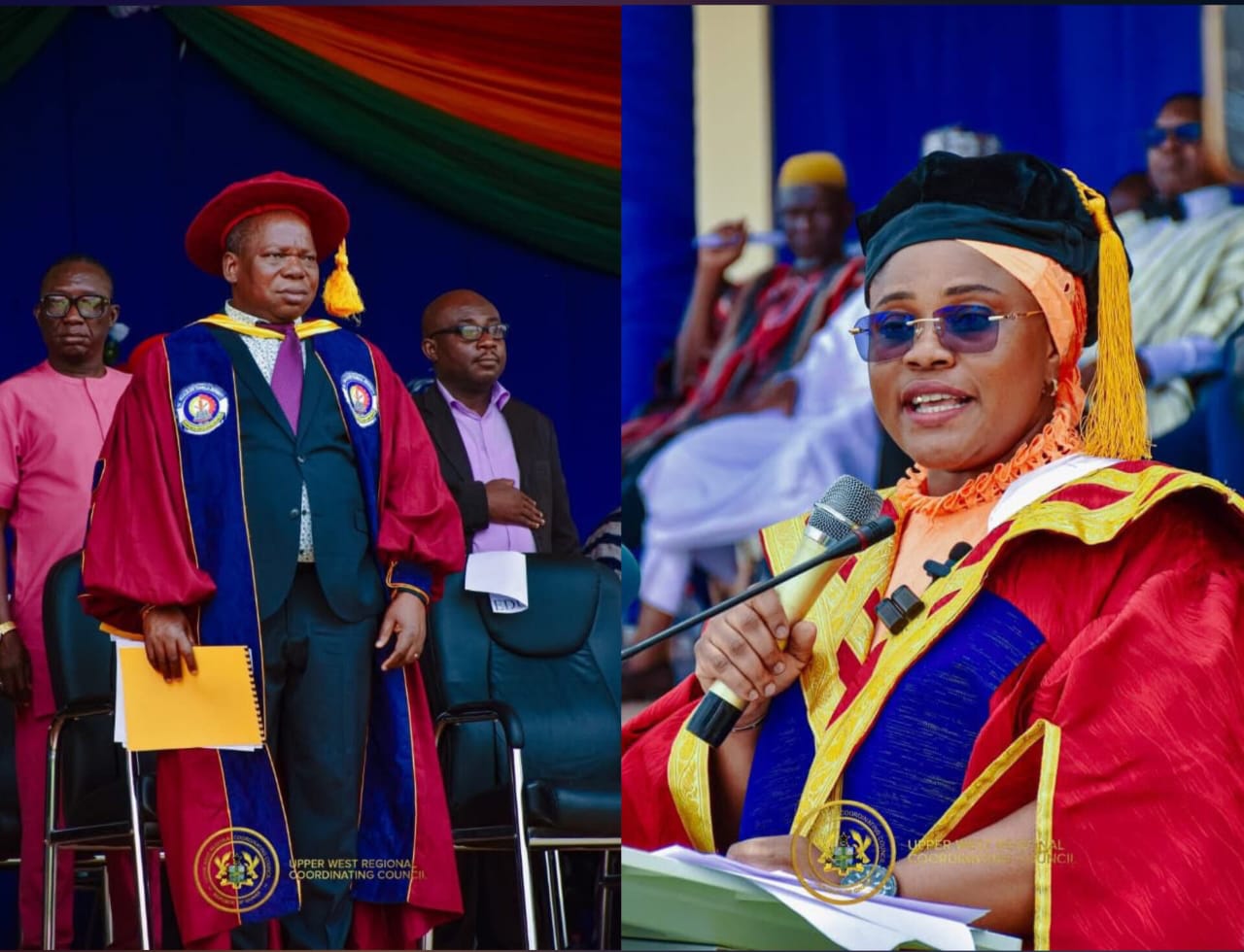
Congratulating the newly invested Vice-Chancellor, Professor Hamidatu Darimani, Professor Jinapor urged her to deepen the university’s focus on applied sciences, manufacturing, commerce, and applied arts, strengthen industry-academia partnerships, promote community-focused research, and invest in quality infrastructure and internal quality assurance systems.
By Ahmed Saanyuo Abubakari