


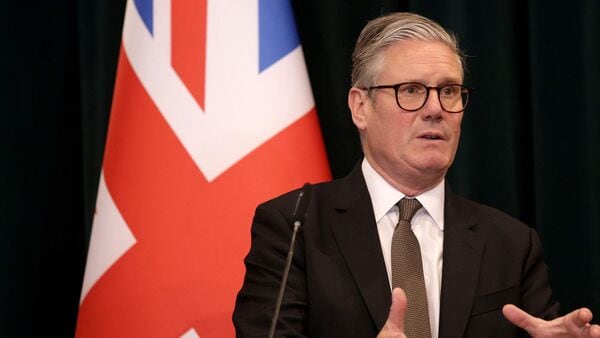
BBC report earlier this morning says the Prime Minister of the United Kingdom, Keir Starmer, is preparing a new law that could allow the UK to follow certain rules from the European Union, EU without going through the usual full parliamentary voting process.
The proposed legislation is aimed at bringing the UK closer to European standards, especially in areas like food safety and agricultural regulations. Government sources say the move is designed to make trade smoother and reduce extra costs that businesses have faced since.
According to a source from the ruling, the changes could help lower business expenses and remove what they describe as unnecessary paperwork that has increased the cost of everyday goods, including food.
However, the plan has triggered strong reactions from opposition groups. Members of the Conservative Party and Reform UK have criticized the proposal, arguing that it reduces the role of Parliament in decision-making.
At the center of the debate is the idea of “dynamic alignment.” This would mean that when the EU introduces new regulations, the UK could adopt them more quickly through a process called secondary legislation. This process usually allows limited debate and cannot easily be changed by lawmakers.
Critics, including Conservative politician, argue that such a system would weaken parliamentary oversight, effectively allowing decisions made in Brussels to influence UK laws with minimal scrutiny.
Meanwhile, leader of Reform UK, has strongly opposed the proposal, calling it an indirect attempt to bring the UK back under EU control. On the other hand, the Liberal Democrats supports closer ties with Europe but insists that democratic processes must be protected.
The UK government has defended the plan, stating that Parliament will still review the bill and any agreements made with the EU. Officials also argue that the changes could unlock a major food and drink trade deal worth billions of pounds annually, benefiting farmers and businesses.
Although the Labour government has ruled out rejoining the EU’s single market, this new approach could still see the UK adopt selected European rules as part of future agreements.
Further discussions between the UK and EU are expected later this year at a planned summit, where leaders hope to build on previous agreements covering trade, energy, and security.
Prime Minister Starmer has indicated that the upcoming talks will aim for more ambitious cooperation, signaling a possible shift toward a closer UK-EU relationship while maintaining national control.
CREDIT: Abigail Kessewaa