


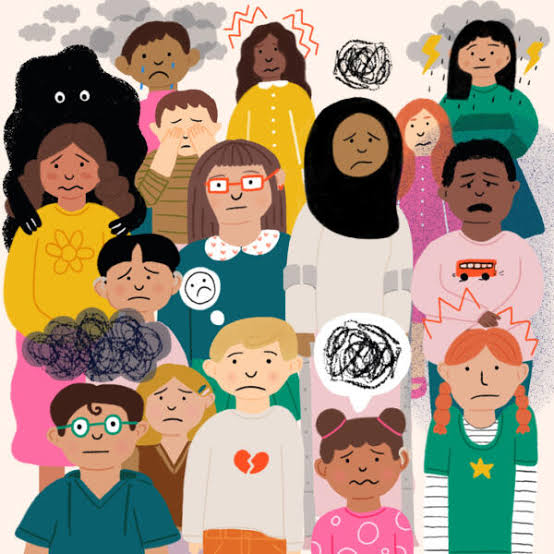
There is no doubt that in the 21st century, the conversation about mental health has gained significant popularity. What seemed to be echoed in whispers and shrouded in sacredness has gained a new identity, being championed along the lines of proper and holistic self-care. The mental health conversation is no longer about why there are too many naked men or women roaming the streets, evidently not of themselves. The conversations around mental health have gained an important, nuanced dimension adequate to factor in the dynamics of all that mental instability could also mean, aside from the fact of insanity. The Ghanaian youth, of course, have their voices strong in this advocacy. From being confident enough to want to talk about their own struggles, to being audacious enough to want to find solutions to these struggles, the Ghanaian youth have carved out their own path in this direction.
But there is a question that begs answering: Is this advocacy merely performative or actual progress in sight?
Depression, anxiety, gaslighting, trauma, stress, burnout, self-care, and neurodivergence are all mental health terms that have gained popularity in recent times, and this list is far from exhaustive. A lot of young people have easily classified themselves under one or more of these mental health conditions, even without a proper diagnosis. It is not too difficult to hear a young person emphatically admit to being depressed or stressed, or being gaslighted or experiencing one form of mental trauma or another.
The truth? The vicissitudes of living as a young person in Ghana make young people prone to experiencing one form of mental health disorder or another. Academic pressures, unemployment, navigating social life and relationships, and family dynamics are all possible triggers.
The reality? There needs to be a straightforward conversation as to how these mental health conditions are determined among the youth. Whether the growing advocacy and knowledge are meant to yield any other significant results, aside from young people knowing that these conditions exist, and they are prone to experiencing them.
The deeper concern lies not only in the recognition that young people are vulnerable to mental health challenges, but in how society chooses to respond to that reality. In recent years, awareness around mental health among Ghanaian youth has grown significantly, particularly through social media and campus conversations. While this growing awareness is important, it also raises an important question: Does increased awareness translate into meaningful support systems and practical solutions? For many young people, identifying symptoms or labeling experiences as anxiety, depression, or burnout does not necessarily lead to accessible care, professional guidance, or supportive institutional responses. Instead, it can sometimes leave them with the burden of self-diagnosis without the tools to navigate recovery or resilience. What is therefore needed is a more honest and structured conversation, one that moves beyond awareness to examine how mental health conditions are assessed, how support structures are built within schools, families, and workplaces, and how young people can be equipped not only to recognize these challenges but also, to manage them in healthy and constructive ways.
There is a danger that looms if the mental health advocacy is left at just the knowledge of mental health conditions. It becomes merely performative. But that is not what lies at the center of mental health advocacy. The goal is not to equip young people with the knowledge to call themselves depressed or stressed. The goal is that of prevention and a practical solution.
Credit: Manasseh Wintemah Apurum