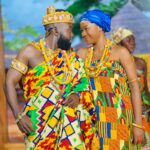


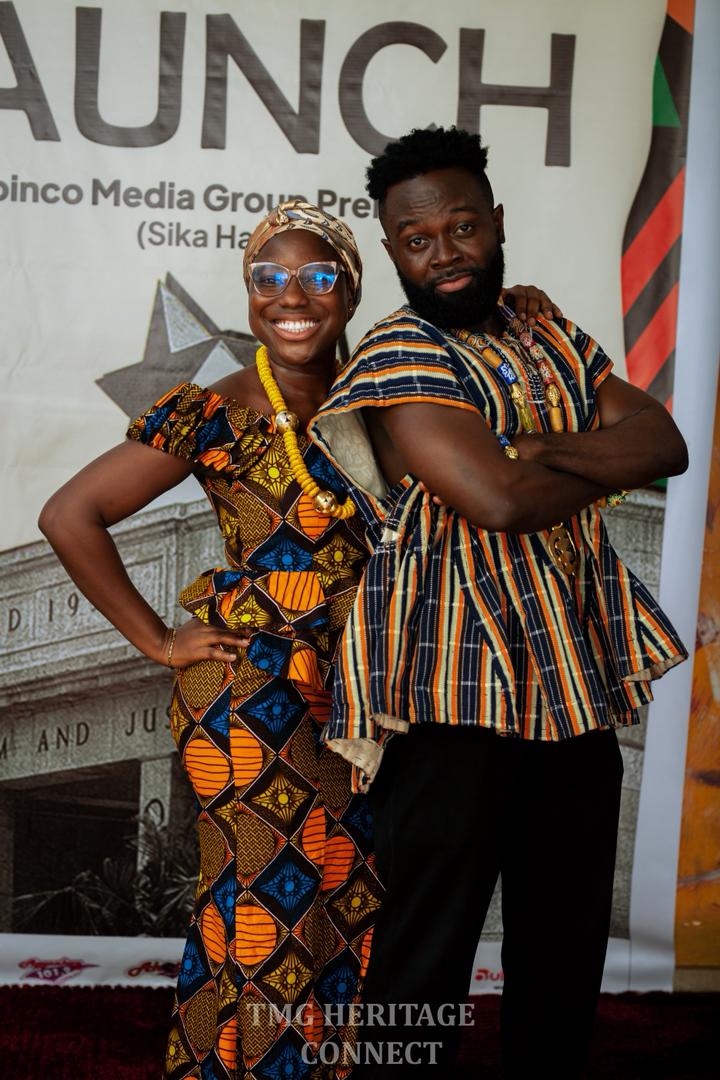
Ghana Month is widely celebrated across the country with activities that honour the nation’s heritage. One of the most visible and exciting parts of this celebration is the growing popularity of local fashion. More people are proudly stepping out in traditional outfits such as kente, Ankara, and other African prints.
From offices to schools and even casual social gatherings, local fabrics have become the clothing of choice during the month. On Fridays especially, it is common to see workers replacing their usual formal wear with colourful traditional outfits. For many, it is not just about dressing up. It is a way of celebrating Ghanaian culture and telling a story through fabric.
Kente remains one of the most admired traditional fabrics during Ghana Month. Originally associated with royalty among the Akan people, kente has grown into a national symbol of pride and heritage. Today, it is worn by people from all walks of life. Modern designers have also found creative ways to adapt kente into contemporary clothing styles such as dresses, shirts, suits, and even accessories.
In recent weeks, the traditional northern Ghanaian fugu, also known as Batakari, has gained renewed attention across social media and fashion conversations in Africa. In Ghana, the moment has coincided with the ongoing celebrations of Ghana Month, where many young designers and fashion enthusiasts are proudly showcasing northern styles. Batakari, often referred to as “northern kente,” is now appearing in modern cuts such as jackets, dresses, and two-piece sets. The influence is clear in street fashion, cultural events, and social media posts, where the handwoven fabric is being styled in creative ways that blend tradition with modern elegance.

Ankara, which is known for its bold and vibrant patterns, is another favourite. It is versatile and easy to style, making it popular among young people and professionals. During Ghana Month, social media platforms are filled with photos of people proudly sharing their outfits. Many even challenge their friends and colleagues to wear local fabrics throughout the month.
This growing interest in traditional fashion is also good news for local designers and tailors, as the demand for custom made outfits often increases in the weeks leading up to March. Designers work long hours to complete orders as customers look for unique styles that stand out. Some fashion houses even launch special Ghana Month collections that celebrate traditional patterns creatively inculcating into these collections aspects of the Ghanaian tradition like the Adinkra Symbols, cowries, animal skin, horsetail, among others.
For young designers, Ghana Month provides an opportunity to showcase their talent and reach new audiences. Many use the period to experiment with fresh ideas while still keeping the essence of Ghanaian culture. The result is a blend of tradition and modern fashion that appeals to different generations.
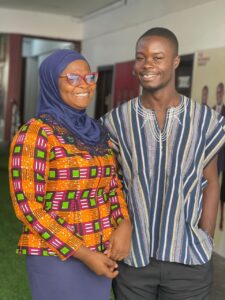
Beyond fashion, the movement also has an economic impact. When people choose locally made clothing, they support Ghanaian businesses and artisans. Tailors, fabric sellers, fashion photographers, and models all benefit from the increased attention on local fashion. In this way, Ghana Month becomes more than a cultural celebration. It also contributes to the growth of the creative industry.
There is also a strong sense of identity attached to wearing traditional fabrics. Many people say it makes them feel connected to their roots. Others enjoy the beauty and craftsmanship that goes into African prints. Whatever the reason, it is clear that local fashion is no longer reserved for special ceremonies. It is becoming a normal part of everyday style.
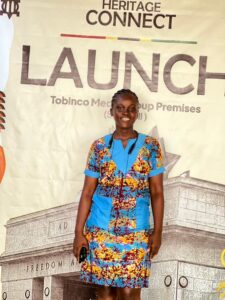
Interestingly, there has been a consistent trend of schools and institutions encouraging the use and incorporation of traditional elements into everyday outfits. Some workplaces organize cultural days where employees are asked to wear traditional outfits. Students are sometimes given the chance to dress in local fabrics as part of activities that teach them about Ghanaian culture. These small efforts help strengthen appreciation for tradition among the younger generation.
The popularity of local fashion during Ghana Month shows how culture can remain relevant in modern times. Through clothing, people are finding simple ways to express pride in their heritage. At the same time, they are helping to support local creativity and businesses.