


As part of larger initiatives to improve accountability, efficiency, and transparency in the management of public lands nationwide, the Cabinet has ordered a thorough review and overhaul of the Public Land Application Form.
In response, aimed at restoring integrity and public confidence in the management of state resources, the Ministry of Resources and Natural in collaboration with the Lands Commission, is now implementing the reforms.
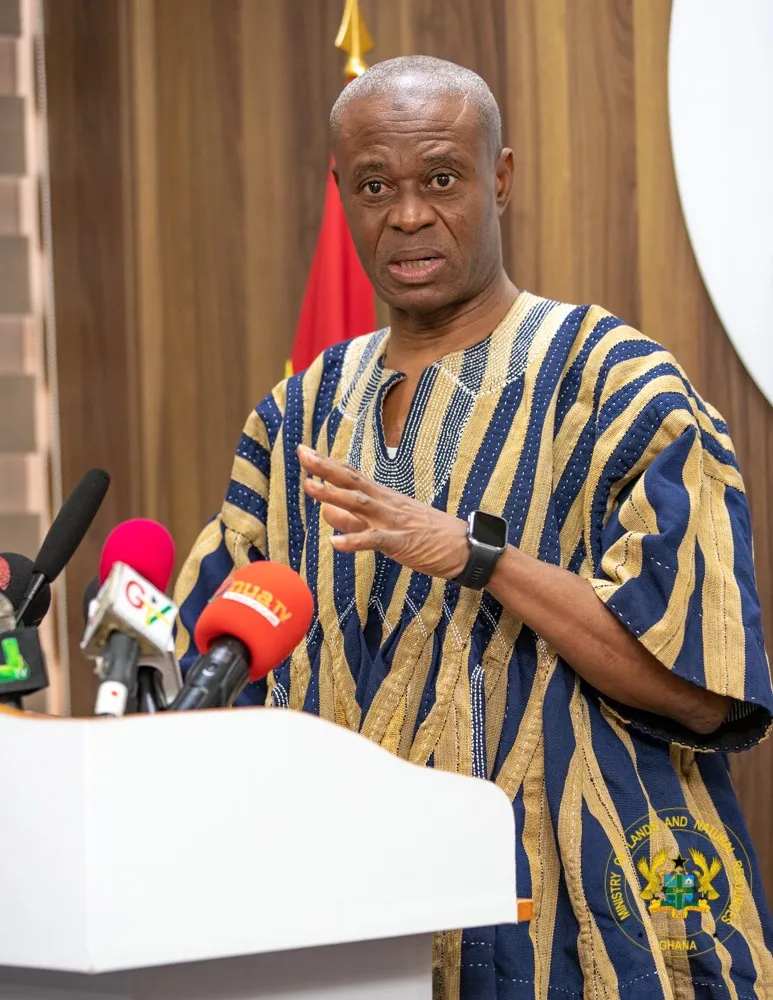
Yusif Sulemana, the Deputy Minister for Lands and Natural Resources, told the media that the updated Public Property Application Form—also referred to as Form 5—will now be the only required application form for all public property transactions in the country.
He claims that the updated form will be utilised for both fresh applications and reapplications from people whose previous submissions were rejected during the most recent public land application assessment.
The Lands Commission has also been instructed to post the updated Form 5 on its official website so that candidates can download, fill out, and electronically submit their applications in order to increase accessibility and efficiency.
According to Dr Sulemana, the reform is a component of a larger examination of the internal processes used by the Property Commission to distribute public property. Stronger verification procedures have been included to improve decision-making transparency and traceability, and the steps involved in processing applications have been explicitly outlined under the new framework.
In order to improve monitoring and guarantee that allocations are in line with national policy goals, he also revealed that no public land will be distributed under the new method without the Minister’s prior consent.
A new premium payment structure for public land leases has also been adopted by the government as part of the reforms. According to the regulation, applicants must pay at least 70% of the designated market value of public land up front, with the remaining 30% being paid as ground rent during the course of the lease.
The deputy minister clarified that the proposed framework will eliminate the discrepancies that previously permitted different premiums to be imposed for comparable parcels of land in addition to strengthening the state’s ability to mobilise income.
Furthermore, several prime estates throughout the nation, including over thirty in the Greater Accra Region, have had their market values standardised by the Ministry and the Lands Commission. In order to remove discretionary pricing and provide guidance for the assessment of land premiums, these values will shortly be posted on the Lands Commission’s website.
Additionally, Dr Sulemana declared that a Public Land Protection Taskforce will soon be established to stop unauthorised development, stop encroachment on state properties, and prosecute violators.
The list of more than 8,000 public land applications that were examined during the most recent exercise will shortly be posted on the websites of the Ministry and the Lands Commission, starting with the Greater Accra Region, as part of the transparency initiative.
He further noted that the temporary suspension on public land transactions has been lifted, but services will now be carried out strictly within the framework of the new reform measures.
In addition, the Ministry of Lands and Natural Resources has initiated procurement steps for the national digitalisation of Ghana’s land administration system. The project, which will be largely funded through the internally generated funds of the Lands Commission, is expected to modernise land services and greatly minimise human interference in land dealings.


