



Source: Ebenezer Madugu
Ghana is losing more than GHS 6.2 billion every year to diseases linked to poor sanitation and waste management, a new study by the Institute of Statistical, Social and Economic Research (ISSER) has revealed.
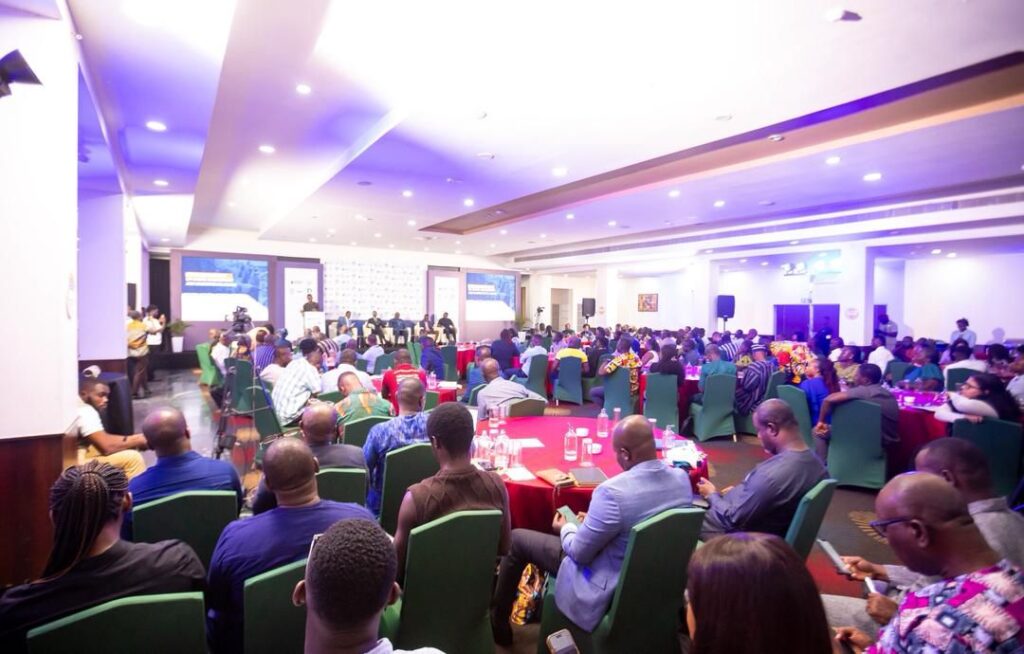
The findings were presented at a high-level stakeholder engagement held in Accra on Thursday, February 26, 2026, bringing together policymakers, Members of Parliament, local government officials, development partners, and private sector actors to examine the economic case for increased investment in sanitation.

The study, conducted by ISSER researchers at the University of Ghana and led by Peter Quartey and Dr. Kwame Adjei-Mantey, is titled “An Economic Analysis of the Benefits of Adequate Investment in Waste Management and Sanitation in Ghana.” It assesses both the social and economic consequences of Ghana’s current sanitation practices and models the potential gains from improved financing.
According to the research, five diseases closely associated with poor sanitation—malaria, cholera, pneumonia, typhoid fever, and diarrhoea—account for nearly 31.9 million lost workdays annually and an estimated 177,222 deaths. Direct medical costs related to these illnesses are estimated at GHS 5.8 billion per year, with an additional GHS 650 million lost through reduced productivity, pushing the total annual economic burden beyond GHS 6.2 billion.

Despite these significant losses, Ghana currently spends an average of about GHS 38 per tonne of waste generated, a figure the researchers described as modest relative to the scale of health and economic damage caused by inadequate sanitation systems.
Using cost-benefit analysis, the study found that under the current business-as-usual approach, every GHS 1 invested in waste management yields approximately GHS 180 in economic returns. Under a best-case scenario—where investment increases to around GHS 1,028 per tonne, in line with lower-middle-income country benchmarks—returns could rise to GHS 556 for every GHS 1 invested.
In absolute terms, national benefits under the enhanced investment scenario are projected to reach GHS 58 billion by 2025, increasing further to GHS 67.2 billion by 2032, largely driven by reductions in disease incidence, mortality, and productivity losses.
Presenting the findings, Prof. Quartey urged government to stop treating sanitation as a residual expenditure. He stressed that waste management should be viewed as a high-return development investment capable of protecting public health while strengthening economic growth.
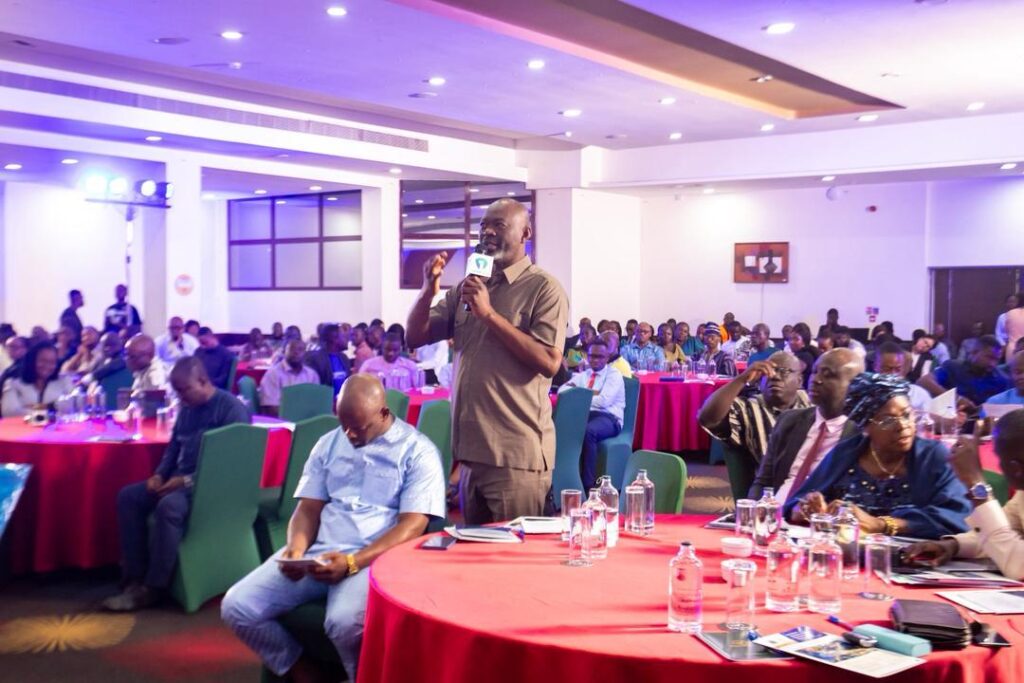
The presentation was followed by an extensive question-and-answer session. Participants queried how much of the disease burden could be directly attributed to waste exposure. The research team explained that their modelling relied on global health data and assumed that about 45 percent of selected disease cases were attributable to waste-related factors, with sensitivity analyses conducted to test alternative assumptions.
Concerns were also raised about the practicality of the best-case investment scenario, particularly in slum and rural communities where waste collection remains inconsistent. Prof. Quartey acknowledged these challenges, noting that such areas may require flexible, smaller-scale collection systems rather than a one-size-fits-all national model.

Other discussions focused on uncollected waste and dumping in drains and water bodies. The researchers indicated that their modelling accounted for infrastructure gaps and collection inefficiencies common in lower-middle-income countries.
Members of Parliament at the forum emphasized the need for stronger institutional coordination. While some proposed establishing a National Sanitation Authority, others cautioned against expanding bureaucracy and instead called for strengthening existing agencies.

Education and job creation also featured prominently, with Prof. Quartey highlighting the potential for green jobs and recycling to create employment if supported by skills development and public awareness initiatives.
The research team concluded that Ghana’s sanitation-related losses far exceed current spending levels, calling for sustained investment, targeted interventions in high-risk communities, and stronger data-driven budgeting within Metropolitan, Municipal and District Assemblies to position sanitation as a central pillar of national development.