

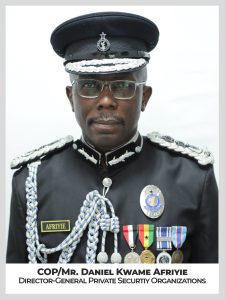
The Director-General of the Private Security Organizations Directorate (PSOD) of the Ghana Police Service, COP Daniel Afriyie, has disclosed that only 200 out of 700 registered private security companies in Ghana are currently in good standing.
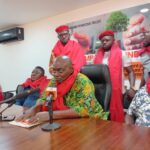
Speaking at the PSOD Stakeholders Engagement Meeting in Accra, COP Afriyie revealed that many private security firms have failed to provide accurate, credible, and up-to-date information required for effective monitoring and inspection. Some companies, he noted, continue to operate with expired licences, while others submit unreliable data that hampers regulatory oversight.
According to COP Afriyie, the engagement meeting was crucial to updating security records, enhancing the national security database, and improving the GPS Address System for private security operations.
Role of Private Security and Regulatory Lapses
Private security companies provide vital employment opportunities, particularly for the youth, and help reduce unemployment. However, COP Afriyie emphasized that the industry continues to face persistent challenges, including poor compliance with regulations and improper use of security gadgets.
He highlighted the essential role private security firms play in complementing state security agencies, especially during high-demand periods such as the Christmas season and other end-of-year festivities. These companies support law enforcement by providing physical security, surveillance, and risk management.
Despite their importance, he expressed concern over inaccurate registration details, including wrong telephone numbers, which impede emergency response efforts. He urged the Ministry of the Interior to make GPS addresses mandatory for registration and renewal to enhance accountability.
Warnings on Weapon Use and Gadgets
COP Afriyie issued a firm caution against the misuse of weapons and restricted gadgets by private security officers. He reiterated that:
-Private security personnel are not permitted to use firearms.
-Private security companies cannot license firearms for their operations.
-Use of blue lights and sirens on vehicles is strictly prohibited unless approved by the Ministry of the Interior.
He reminded operators that LI 1571, the law governing private security operations, grants authorities the power to sanction or withdraw licences from firms that breach regulations. The Ministry of the Interior is also developing a new code of conduct to promote professionalism and efficiency in the sector.
He further stressed that all private security personnel must be vetted before recruitment to prevent individuals with criminal backgrounds from entering the system. Only state security agencies are permitted by law to use sirens on their vehicles, with private entities requiring DVLA-approved exemptions.
Stakeholders React
Dr. Ibrahim Abdul-Rahman Usunaba Dsi, National Chairman of the Association of Private Security Organizations, Ghana, acknowledged concerns about the unlawful use of weapons by some personnel. He noted that the association is engaging the sector minister to address these issues.
A representative from the Ministry of the Interior also hinted that a new regulatory framework is being developed to address long-standing challenges within the private security industry.
Calls for Support and Training
Her Royal Highness Brenda Bonsu, CEO of Save Africa Security and President of the Private Security Owners Association of Ghana (PSOAG), called on the Interior Ministry to collaborate more closely with private security employers.
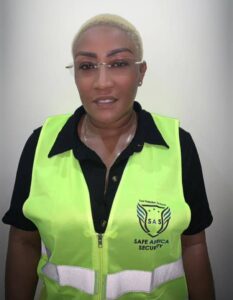
She advocated for:
-Short security courses for guards
-Regular training seminars
-Daily security briefings from experts
-Upgraded skills to meet modern security demands
She also expressed concern over how some government agencies treat private security providers despite their contributions, especially during the COVID-19 pandemic. She urged government to formally recognize and support private security companies, including Save Africa Security, to strengthen national security.
Bonsu commended the new leadership at the Ministry of the Interior for its efforts to curb crime and improve security nationwide.
By Barimah Kwaku Saakwa