


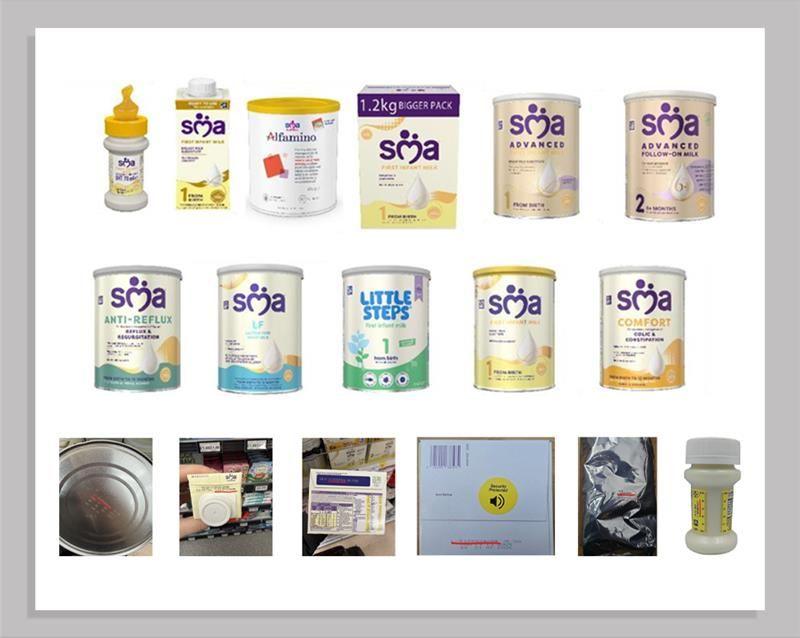
Nestlé has ordered a worldwide recall of several baby formula products after tests revealed they may contain a toxin capable of causing food poisoning.
The company said specific batches of its SMA infant formula and follow‑on formula were unsafe for consumption, citing the presence of cereulide, a toxin produced by some strains of Bacillus cereus bacteria. Cereulide can trigger nausea, vomiting and stomach cramps, and is resistant to heat, meaning it is not destroyed by boiling water or cooking.
Nestlé emphasized that no illnesses have been confirmed but said it was acting “out of an abundance of caution.” “The safety and wellbeing of babies is our absolute priority,” the company said in a statement. “We sincerely apologise for any concern or inconvenience caused to parents, caregivers, and customers.”
The recall affects products sold across Europe, including France, Germany, Austria, Denmark, Italy and Sweden, according to the BBC. Nestlé France said it was conducting a “preventive and voluntary recall” of certain batches of its Guigoz and Nidal formulas, while in Germany the affected products are marketed as Beba and Alfamino.
Nestlé confirmed refunds will be offered and said the contamination stemmed from an ingredient supplied externally. The company stressed that all other Nestlé products and unaffected batches remain safe to consume.
In Britain, batch numbers of recalled products are listed on Nestlé’s UK website and on food.gov.uk. Parents are advised to check codes printed on the base of tins or boxes for powdered formulas, or on the side or top of containers for ready‑to‑feed formulas.
The Food Standards Agency (FSA) urged families not to feed infants or young children the affected products. “I want to reassure parents, guardians and caregivers that we are taking urgent action, helping to ensure all of the affected product is removed from sale as a precaution,” said Jane Rawling, the FSA’s head of incidents. “If you have fed this product to a baby and have any concerns about potential health impact, you should seek advice from healthcare professionals by contacting your GP or calling NHS 111.”
The recall underscores the vulnerability of infant nutrition supply chains and the heightened scrutiny companies face when safety concerns arise.
Source: BBC