

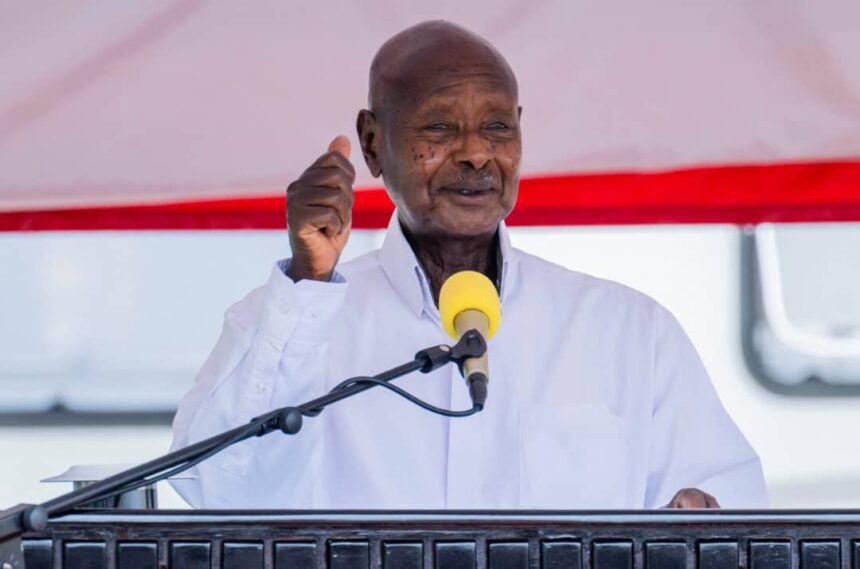
President Yoweri Museveni appeared headed for another term in office on Friday, as partial results from Uganda’s electoral commission showed him with a commanding lead in a vote marred by allegations of fraud, intimidation, and an internet blackout.
With tallies from 45 per cent of polling stations counted, Mr Museveni, 81, has secured 76 per cent of the vote, far ahead of his main challenger, the pop star-turned-politician Bobi Wine, who trailed with 20 per cent. The commission said final results would be announced by Saturday afternoon.
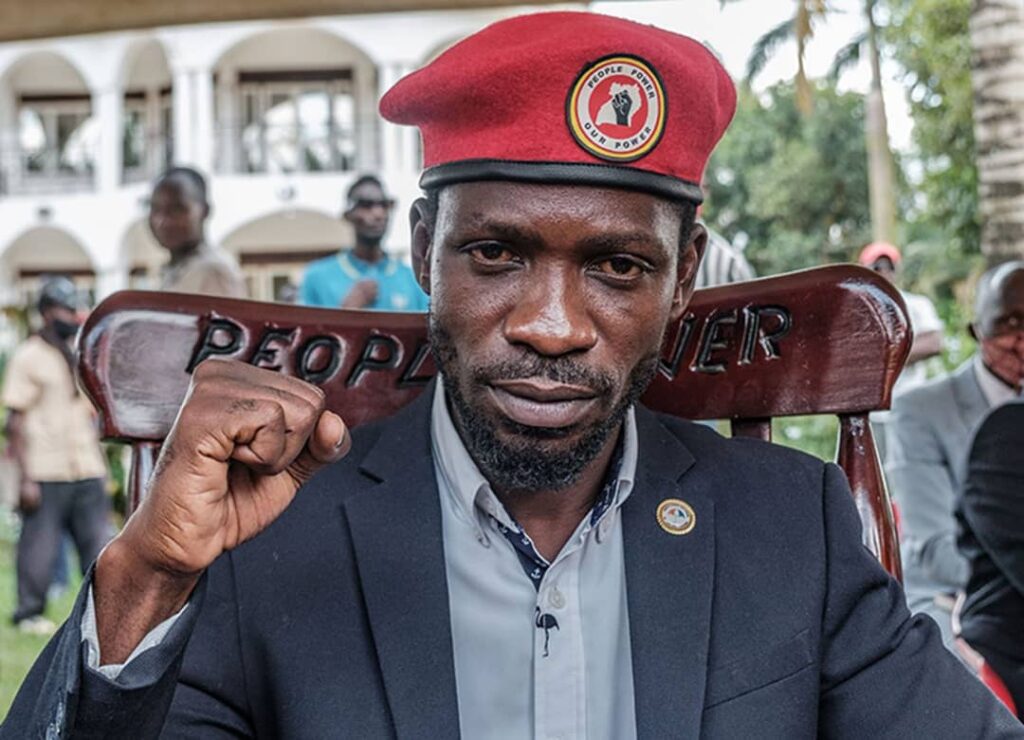
Even as votes were being counted, security forces surrounded Mr Wine’s home in Kampala, effectively placing him and his wife under house arrest, according to his party, the National Unity Platform. “Security officers have unlawfully jumped over the perimeter fence and are now erecting tents within his compound,” the party wrote on X late Thursday.
Police officials defended the deployment. Kituuma Rusoke, a spokesman, told local news that Mr Wine was “a person of interest” and insisted the heavy presence was for his protection. Journalists reported being blocked from accessing the opposition leader’s residence in Magere, a suburb of the capital.
The move echoed events in 2021, when Mr Wine, whose real name is Robert Kyagulanyi, was confined to his home for days after he won 35 per cent of the vote in a previous presidential contest.
Ugandans went to the polls Thursday in an election marked by delays, technical failures, and a tense atmosphere. Ballot boxes arrived late at many polling stations, and biometric machines meant to verify voters malfunctioned, in some cases pushing voting back by several hours. Analysts linked the problems to a nationwide internet shutdown imposed earlier in the week.
Electoral chief Simon Byabakama dismissed concerns that the blackout had compromised the count, saying the commission was using a “private system” to transmit results. “We are on course to announce the winner of the presidential election within 48 hours,” he said.
Mr Wine has alleged “massive” fraud, though he has not provided evidence. The United Nations Human Rights Office warned last week that the election would be marked by “widespread repression and intimidation.”
The campaign itself was marred by violence and restrictions on opposition activities. Security forces were accused of assaulting and detaining Mr Wine’s supporters, charges the police rejected, accusing opposition activists of being disruptive.
Internet access was cut off on Tuesday, with the Uganda Communications Commission saying the blackout was necessary to prevent misinformation and incitement. The U.N. condemned the move as “deeply worrying.”
Despite Mr Wine’s calls for protests if the results were manipulated, there were no signs of demonstrations as of Friday morning.
Mr Museveni, who first took power as a rebel leader in 1986, has long portrayed himself as the guarantor of stability in Uganda. His critics say his extended rule has entrenched corruption and stifled dissent. A victory would extend his grip on power into a fifth decade.
Speculation has swirled that Mr Museveni is grooming his son, Gen. Muhoozi Kainerugaba, the country’s military chief, as his successor. The president has denied those claims.
For many Ugandans, the contest was essentially a two-man race between the veteran strongman and the youthful challenger who has sought to rally the country’s under-30 majority with promises of reform.
The electoral commission said the final results would be announced by 4 p.m. local time on Saturday.