

Soiurce: BBC
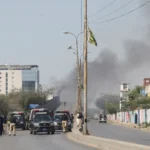
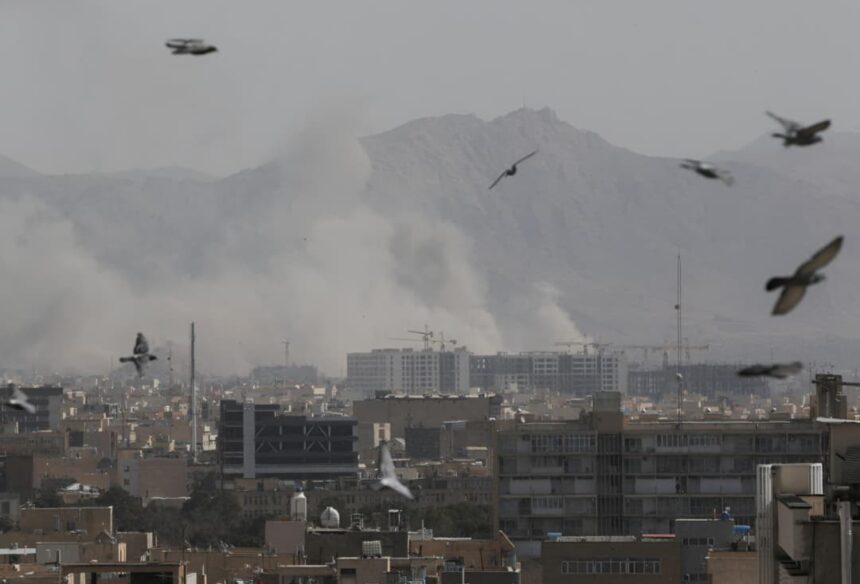
Residents and social media users in Tehran have described fear, disruption and anger as explosions were reported in the city, according to accounts gathered by the BBC Newshour.
One Tehran resident told the BBC:
“We have heard lots of explosions. I live in the middle of Tehran. This was a normal day until the United States and Israel started attacking the city. Our children went to school in the morning. We had to go and get them.”
Across social media, Iranians—many of them opposed both to foreign military action and to their own government—expressed deep anxiety over civilian safety, communications blackouts and the fate of children.
One post read:
“If I die, don’t forget that we exist too—those of us who oppose any military attack, those of us who will become just a number in reports of the dead.”
Another user blamed Iran’s leadership for the crisis, writing:
“Damn the Islamic dictatorship that caused this war. We have already endured three wars.”
Several posts highlighted the collapse of communications and fear for families:
“The internet is almost down… If the network is completely cut, know that we are not soldiers for any leader, nor collateral damage. We are human and have the right to live.”
Emotional appeals focused on children caught in the conflict. One user pleaded:
“Promise that if anything happens to us, you will look after our children and be very, very kind to them. Tell them we did everything we could—we marched silently, we voted, we worked multiple shifts, we endured hardship.”
An Iranian living abroad, opposed to military intervention, said the earliest victims were civilians:
“The first victims of this war are 40 girls in Minab, hit by a missile attack. Is this the war you cheer for?”
Another post added that even if schools were not directly targeted, responsibility still lies with the Islamic Republic of Iran for failing to protect civilians:
“People have no shelters, the internet is cut, phone lines are down, and there was no warning to keep children out of school. In these conditions, the minimum requirement should be to stay at home.”
As uncertainty deepens, the voices emerging from inside and outside Iran reflect a shared message: civilians—especially children—are bearing the highest cost of an escalating conflict they say they neither wanted nor chose.