


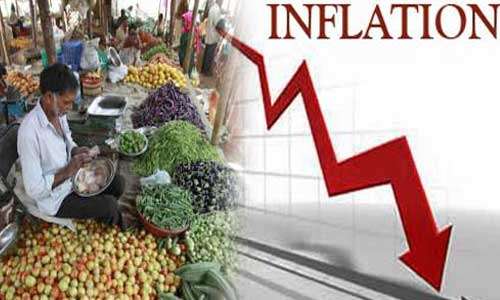
Ghana’s inflation eased further in March, reinforcing signs of macroeconomic stabilization after years of elevated price pressures.
Annual consumer inflation slowed to 3.2%, down slightly from 3.3% in February, according to data released Wednesday by the Ghana Statistical Service. That marks the 15th straight month of declines and a sharp drop from 22.4% a year earlier, underscoring the country’s steady disinflation path.
“This is the lowest inflation recorded since the rebasing of the CPI in 2021,” Government Statistician Alhassan Iddrisu said, citing food-price moderation as the main driver.
On a monthly basis, prices edged up 0.1%, suggesting underlying pressures remain. Food inflation fell to 2.3% from 2.4%, with prices down 0.3% month-on-month. Non-food inflation eased to 3.9%, though prices in that category rose 0.3%.
Goods inflation dropped sharply to 1.7% from 3.2%, with goods prices down 1% month-on-month. Services inflation, however, surged to 7.2% from 3.7%, highlighting cost pressures in that segment.
Imported inflation slipped into negative territory at -0.6%, reflecting easing external price pressures and possible exchange-rate gains. Locally produced items rose to 4.9% from 4.5%, pointing to divergent trends between domestic and foreign-sourced goods.
Regional disparities remain stark: the North East Region posted the highest inflation, while the Savannah Region recorded deflation of -4.6%, underscoring differences in supply chains and market access.
The sustained slowdown signals Ghana’s gradual recovery from its worst economic crisis in decades. Lower inflation is expected to bolster consumer purchasing power and improve business confidence, strengthening the case for continued stabilization.