


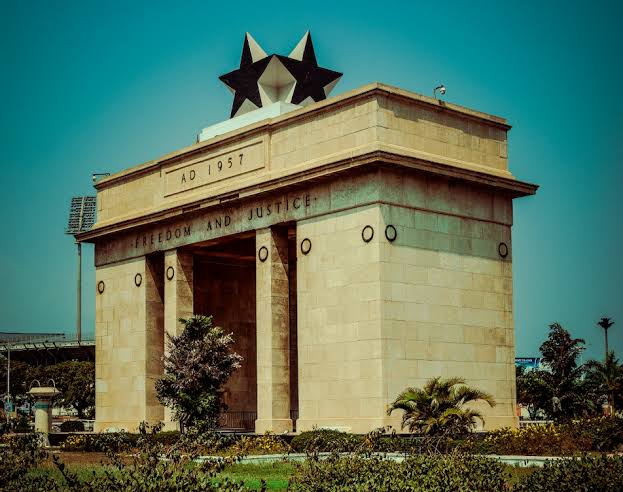
When people think of visiting Ghana, a few familiar images often come to mind. Many imagine the busy streets of Accra, the historic castles along the coast, or the calm beaches that stretch along the Atlantic. While these are beautiful and important places, Ghana has many cultural experiences that are less obvious but equally powerful.
For visitors who want to go beyond the usual tourist stops, here are four hidden cultural experiences that reveal the deeper soul of Ghana.
1. Witness the Magic of a Local Festival
Ghana has hundreds of traditional festivals across different regions. Many travelers only hear about the big ones, but smaller festivals can offer a more personal and authentic experience.
One example is the Aboakyir Festival in Winneba. The festival celebrates the history of the Effutu people. Two Asafo warrior groups compete to capture a live antelope from the forest. The first group to return with the animal wins. The celebration is colorful and full of music, dancing, and traditional regalia.
In northern Ghana, the Damba Festival brings together chiefs, drummers, and entire communities in a display of culture that feels both spiritual and celebratory.
If you time your visit around a festival, you will see Ghana at its most vibrant.
2. Eat at a Local Chop Bar
To understand Ghana, you must taste it.
While restaurants in cities offer polished versions of local dishes, the real experience is found in traditional “chop bars.” These simple food spots serve meals that locals eat every day.
Try fufu with light soup or palm nut soup. Taste banku with grilled tilapia and pepper sauce. If you want something popular across the country, go for waakye, a flavorful mix of rice and beans served with stew, egg, spaghetti, and sometimes fried plantain.
Eating at a chop bar is not only about the food. It is about the conversations, the laughter, and the raw experience of living Ghana.
3. Explore Historic Forts Beyond the Famous Ones
Most visitors know about the castles in Cape Coast and Elmina. They are powerful sites connected to the history of the transatlantic slave trade.
However, many smaller forts along the coast receive fewer visitors but hold equally fascinating stories.
Fort Amsterdam in Abandze is one example. Built in the seventeenth century, it sits quietly on a hill overlooking the ocean. The atmosphere is calm and reflective. Walking through the fort allows visitors to connect with history without the crowds.
These quieter locations often create a deeper and more personal experience.
4. Visit a Traditional Craft Village
Ghana’s craft traditions are alive and well, but many travelers miss the chance to see how these items are actually made.
In Bonwire, visitors can watch the weaving of Kente Cloth on traditional wooden looms. The colorful patterns are not random. Each design carries meaning connected to proverbs, history, or leadership.
Another interesting stop is Sirigu in northern Ghana, where women decorate homes with traditional mural art and create beautiful pottery.
Watching artisans at work adds a deeper appreciation for the craftsmanship behind the souvenirs many travelers buy.
Visitors who take time to explore these hidden experiences will leave with more than photos. They will leave with stories, friendships, and a stronger understanding of what makes Ghana unique.
Sometimes the most meaningful discoveries are the ones that are not widely advertised. In Ghana, those discoveries are everywhere for travelers who are curious enough to look.
Credit: Manasseh Wintemah Apurum