


Source: Ebenezer Madugu
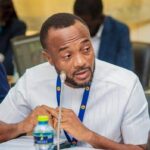
Data journalist Maxwell Mensah has called for an immediate end to what he describes as a growing trend of misinformation and abusive political communication on social media, warning that the development could undermine public trust and harm Ghana’s democratic discourse.
Mensah, who serves as the Head of the Data and Investigations Desk at the Tobinco Media Group (TMG), raised the concern in a Facebook post over the weekend after a series of controversial posts circulating online sparked widespread debate among Ghanaians.
The concerns follow the emergence of a social media page known as GhanaToday, which has gained attention in recent weeks for publishing political content that critics say frequently targets the ruling party with unverified claims and misleading narratives.
Observers say the situation has intensified after supporters of the ruling party reportedly adopted a counter-strategy, using branded quote-card graphics to circulate allegations and unverified claims about members of the main opposition party, the New Patriotic Party (NPP).
The back-and-forth exchange of politically charged posts has fueled concern among sections of the public about the growing spread of misinformation online and its potential impact on national cohesion and democratic debate.
“This nonsense must STOP. Fake reporting isn’t enough for you… going an extent further to insult!!” – Mensah wrote, expressing frustration over what he believes is an escalating pattern of disinformation and hostile political messaging.
Maxwell Mensah’s comments have since resonated with many users online, with some calling for greater responsibility among political communicators and stricter adherence to ethical standards in political messaging.
They warn that without stronger media literacy and accountability from political actors, the spread of misleading information could continue to influence public perception and deepen political polarization in the country.