

The Ghana Chamber of Mines has renewed its call for stable and predictable policies in the mining sector, stressing that long-term investment and sustainable industry growth depend largely on policy consistency.
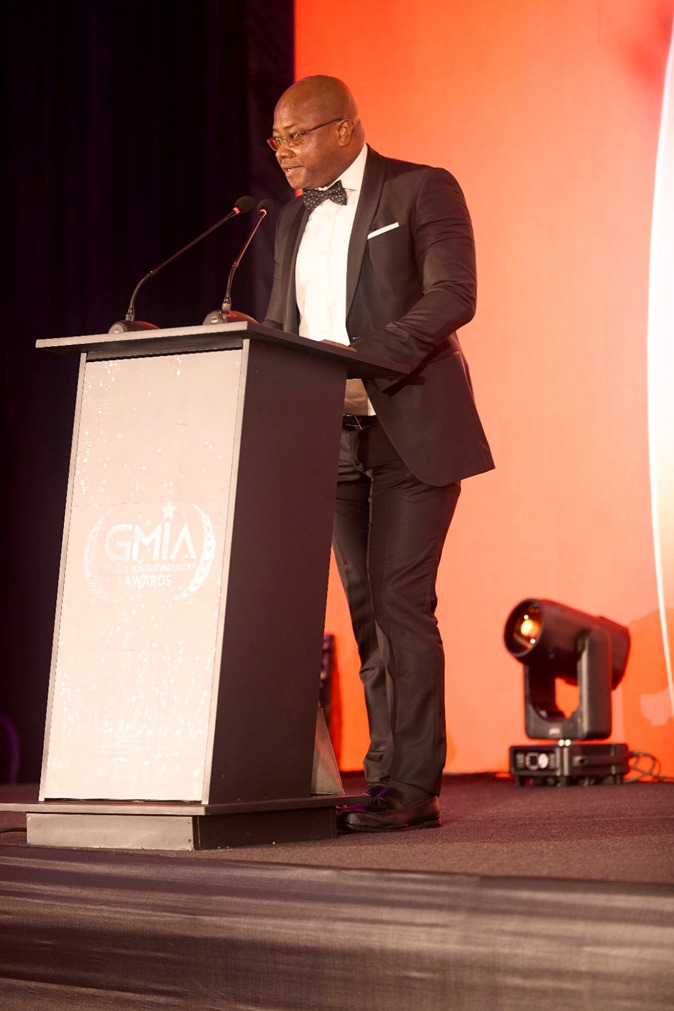
The appeal was made at the 11th Ghana Mining Industry Awards (GMIA) held at the Mövenpick Ambassador Hotel in Accra.
Addressing stakeholders at the event, Mr Michael Edem Akafia, President of the Ghana Chamber of Mines, noted that Ghana is at a critical juncture in its mining journey—one shaped by increasing global competition, rising societal expectations, and the need to sustain investor confidence.
He warned that frequent changes in regulatory and fiscal regimes pose significant risks to mining companies, whose investments are capital-intensive and span several decades.
“Mining investments are capital-intensive, high-risk, and multi-decade in nature,” Mr Akafia stated, urging the government to prioritise a consistent, transparent, and balanced policy framework that safeguards national interest while enabling business growth.
He further cautioned against an overly burdensome proposed sliding-scale royalty regime, noting that such a structure could discourage investment and slow industry expansion if not carefully designed.
Mr Akafia also advocated for the establishment of a Minerals Revenue Management Act, similar to Ghana’s petroleum revenue governance framework. According to him, such legislation would enhance transparency, accountability, and equitable utilisation of mineral revenues, ensuring tangible benefits for host communities and the broader economy.
In his welcome address, Ing. Dr Kenneth Ashigbey, Chief Executive Officer of the Chamber, commended the government for scrapping VAT on mineral exploration activities in the 2026 Budget, describing the move as bold and investor-friendly.
He said the decision would help attract fresh investments, strengthen mineral reserves, and improve Ghana’s competitiveness as a preferred mining destination.
Dr Ashigbey also highlighted the Chamber’s strong collaboration with key regulatory institutions, including the Minerals Commission, Environmental Protection Agency (EPA), and the Ministry of Lands and Natural Resources, noting that such partnerships have enhanced policy clarity, environmental protection, and value creation for the national economy.
Both leaders raised concerns about the persistent threat of illegal mining, calling for stronger enforcement and sustained support for state institutions combating the menace. They stressed that responsible mining and the industry’s reputation depend on strict adherence to the rule of law and protection of Ghana’s natural resources.
Held under the theme “Celebrating Excellence in Mining: Creating Value Beyond Minerals,” the awards ceremony recognised outstanding achievements in safety, innovation, community development, and operational excellence. The event also spotlighted impactful human-interest stories, including beneficiaries of the Chamber’s education and skills-development initiatives, underscoring the sector’s role in community upliftment.
At the climax of the ceremony, AngloGold Ashanti Iduapriem Mine was adjudged Mining Company of the Year, while Dr Catherine Kuupol Kutor, General Manager of Gold Fields Tarkwa Mine, received the Mining Personality of the Year Award. The late Kwame Addo-Kufuor was also honoured posthumously with the Lifetime Achievement Award for his immense contribution to Ghana’s mining industry.
The 11th GMIA was proudly sponsored by Gold Fields, AngloGold Ashanti, Zijin Golden Ridge, Newmont, Newcore/Cape Coast Resources, Perseus Mining Ghana Limited, UMA, Sandvik Ghana, Interplast, and Stanbic Bank, with additional support from SMT Ghana, Asanko Gold Ghana, DRA, Mining Tools Ghana, Carmeuse Lime Products, and Liebherr.
As the mining sector navigates global transitions such as digitalisation, decarbonisation, and changing mineral demand, the Chamber reaffirmed its commitment to working with government, labour unions, host communities, and civil society.
Both the President and CEO concluded by assuring stakeholders that the industry remains a reliable partner in Ghana’s development agenda, emphasising that policy stability will be key to unlocking the sector’s full potential for future generations.
By Kofi Ahovi