


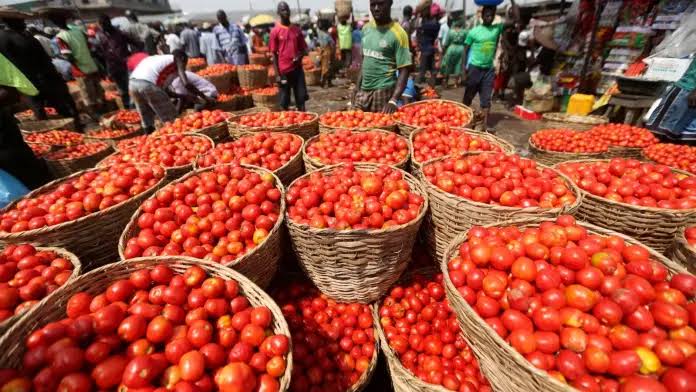
Burkina Faso has announced an immediate suspension of fresh tomato exports across the country, as part of efforts to strengthen local processing capacity and ensure adequate supply for domestic industries.
In a joint communiqué issued on March 16, 2026, the Ministry of Industry, Trade and Crafts and the Ministry of Agriculture, Animal and Fisheries Resources stated that the directive is aimed at supporting national tomato processing units. The ban will remain in place until further notice.
According to the statement, the issuance of Special Export Authorizations (ASE) has also been halted with immediate effect. However, exporters who already possess valid permits have been granted a two-week grace period from the date of the communiqué to complete their export operations. After this window, all existing authorizations will be rendered invalid.
Authorities warned that any individual or entity found violating the directive will face sanctions in accordance with existing laws and regulations. Additionally, any tomatoes seized in breach of the ban will be redistributed free of charge to local processing factories operating under the country’s popular shareholder framework.
The government is calling on all stakeholders within the tomato value chain including traders, farmers, and exporters as well as border officials and security agencies, to cooperate fully in enforcing the new measures.
Citizens and industry players are also encouraged to report any violations through designated toll-free lines.
The communiqué was jointly signed by the Minister of Industry, Trade and Crafts, Serge Gnaniodem Poda, and the Minister of State for Agriculture, Animal and Fisheries Resources, Commander Ismaël Sombié.
Meanwhile the decision by the government of Burkina Faso will affect neighbors Ghana as it has historically relied on cross-border produce flows from Burkina Faso to supplement domestic tomato supply especially during lean seasons when local harvests are insufficient to meet demand.
Some media reports suggests the impact of the ban is being felt well before any formal shortage sets in. Some tomato vendors at the Racecourse Market in Kumasi are already expressing frustration over the development, warning that prices could spike if the situation is not quickly addressed.
The vendors are using the occasion to call on the government to prioritise the local tomato industry by revamping irrigation systems and investing in local processing facilities longstanding concerns that have left Ghana’s tomato sector heavily dependent on imports from neighbouring countries, particularly Burkina Faso.