

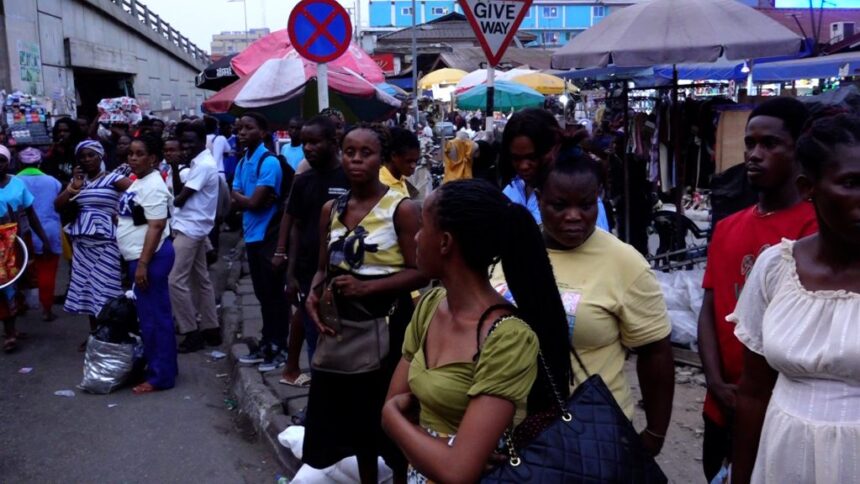
Weeks after the Christmas and New Year festivities, thousands of commuters in Accra continue to face severe transportation challenges due to an acute shortage of commercial vehicles.
Long queues at terminals, rising fares, and frequent delays have become routine, leaving many passengers frustrated as they struggle to get to work, school, and other engagements.
At major transport terminals across the city, commuters report waiting for hours to secure a bus or taxi. Journeys that previously required a single trip now often involve two or three stages, each attracting a separate fare.
Many passengers say the situation has resulted in missed appointments and late arrivals, with some drivers accused of exploiting the scarcity for personal gain.
Metro Mass and Government Intervene
In response to the worsening situation, Metro Mass Transit Limited (MMT) has rolled out emergency measures aimed at easing pressure on Accra’s intracity transport network. The company has scaled back some intercity services to release additional buses for operations within the capital, particularly during peak hours.
Head of Communications at MMT, Mohammed Mubarak Watara, said the intervention follows directives from the Minister for Transport, Joseph Bukari Nikpe, who instructed Metro Mass and its sister company to support private operators during rush periods.
As part of the initiative, Metro Mass has extended operating hours and increased services on high-demand routes. On the Adenta corridor, all ten electric buses now operate from 4:30 a.m. to after 8:30 p.m. Additional stations have been introduced along the Kasoa route, while services on the Circle–Amasaman and Nsawam corridors have also been reinforced.
To support these adjustments, some long-distance routes, including Kumasi and Cape Coast, have temporarily experienced reduced bus frequency.
Government Cracks Down on Illegal Practices
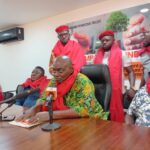
The government has also moved to address alleged misconduct within the private transport sector. Transport Minister Joseph Bukari Nikpe has summoned leaders of the Ghana Private Road Transport Union (GPRTU) and other transport unions following reports of artificial vehicle shortages and unlawful fare increases.
Government spokesperson Felix Kwakye Ofosu explained that some drivers deliberately avoid designated terminals to create the perception of scarcity, forcing commuters to pay inflated fares.
He described the practice as “rent-seeking” and illegal, particularly at a time when fuel prices and import duties on spare parts have declined—factors that informed a government-approved 15 per cent reduction in transport fares.
What This Means for Commuters
Despite the interventions, heavily patronised routes such as Madina, Amasaman, and Kasoa remain congested, with passengers still paying above-approved fares during peak hours.
While the transport sector remains largely privately operated, authorities insist that individuals found engaging in illegal practices will be sanctioned.
For now, commuters remain hopeful that the combined efforts of Metro Mass and government enforcement will bring lasting relief to their daily transportation struggles.
By Nana Achiaa Aboagye