


As the government advances plans for a 24-hour economy, the business community has emphasized that affordable and dependable electricity will be crucial to sustaining Ghana’s industrialization agenda.
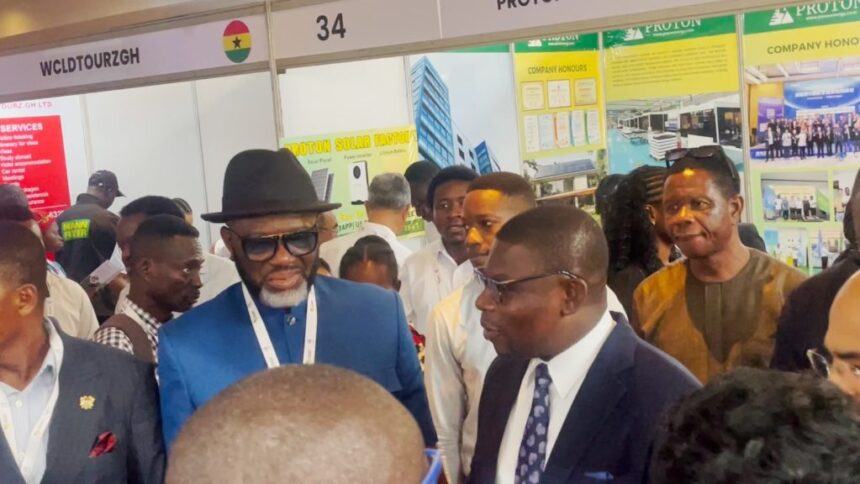
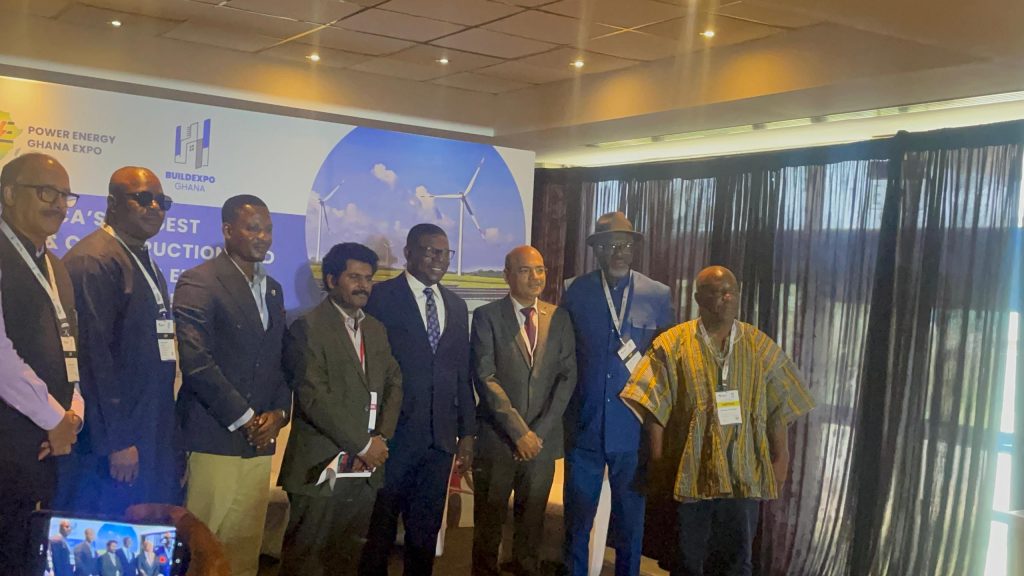
Speaking on the sidelines of the Build Expo Ghana 2025 and Power Energy Ghana Expo, Joseph Obeng, President of the Ghana Union of Traders Association (GUTA), said that high energy costs continue to hinder the growth ambitions of traders and manufacturers.
He noted that GUTA’s proposals to government include making sustainable and renewable energy sources more accessible and affordable for businesses.
“In our quest to industrialize as a nation, it is very important we have affordable energy sources; otherwise, it will be in vain because of competition with the rest of the world,” Mr. Obeng said. “It is very important for us to access affordable energy sources rather than the old and obsolete ones that produce energy at a higher cost.”
Highlighting the centrality of energy to Ghana’s growth, he added:
“Here in Ghana, we recognize that energy is the backbone of industrialization — every factory that opens, every business that expands, and every home that lights up is powered by the silent force of electricity and infrastructure.”
Government officials at the expo reaffirmed their commitment to energy sector reforms and innovation, underscoring efforts to build a resilient, inclusive, and future-ready energy economy.
They cited key measures being implemented by the Ministry of Energy, including:
– IPP tariff rationalization to ensure affordability while maintaining investor confidence.
– Transparent procurement frameworks for new generation and infrastructure projects.
– Strengthening the Cash Waterfall Mechanism to ensure predictable payments across the sector.
– Accelerating renewable energy adoption, including local assembly of solar panels and battery storage systems.
– Expanding digitalization across operations for data-driven planning and smart distribution; and
– Promoting local content participation to empower Ghanaian enterprises in the green energy transition.
These initiatives, the Ministry noted, are designed to create a balanced energy market that supports both industrial competitiveness and sustainable national development.
India remains committed to bolstering its partnership with Ghana, particularly in vital sectors such as energy, trade, and technology, according to the country’s High Commissioner, Manish Gupta.