

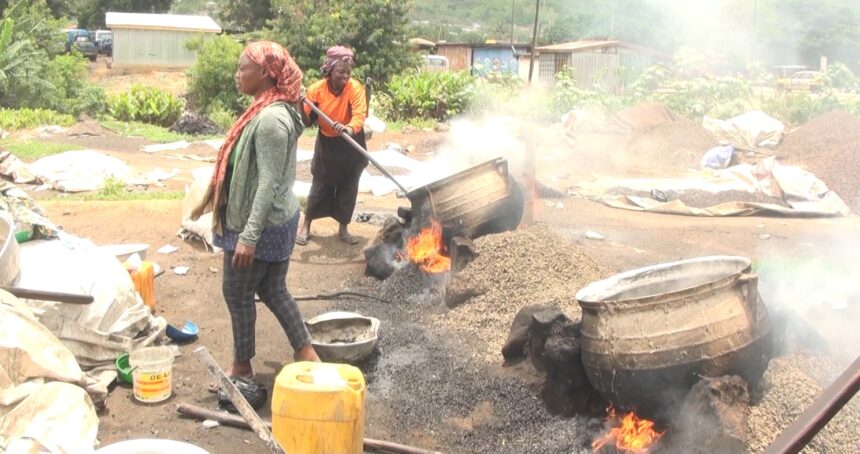
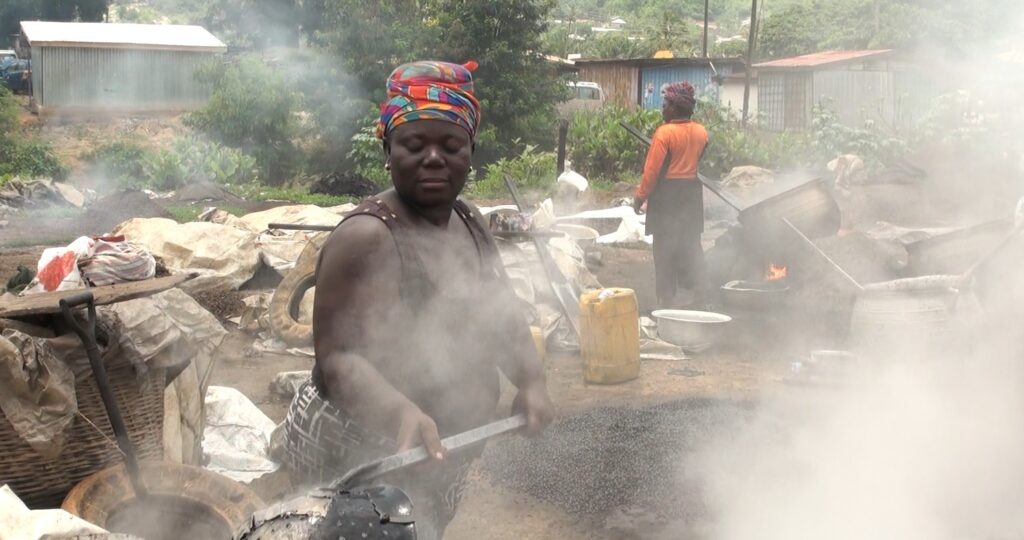
As the midday sun beats down along the Koforidua–Ada Road in Ghana’s Eastern Region, Afia Comfort stands over a large pot of frying palm kernels, carefully stirring the contents as they prepare for processing.
The heat is intense. Flames from the firewood below combine with rising temperatures above. Yet Comfort remains focused.
“Yes, I am feeling hot. But what can I do?” she says with a smile. “I need to get this ready so it can cool down and be taken to the mill before the end of the day.”
Comfort is among more than 50 women who work in palm kernel oil production sheds along the roadside. For decades, these women have transformed palm kernel nuts into oil used in soaps, cosmetics, and food products. The trade has helped many support their families, educate their children, and build livelihoods.
Today, however, they are navigating a new challenge: climate variability.Many of the women say weather patterns have become increasingly unpredictable, affecting the timing of drying, storage, and processing activities that are essential to production.
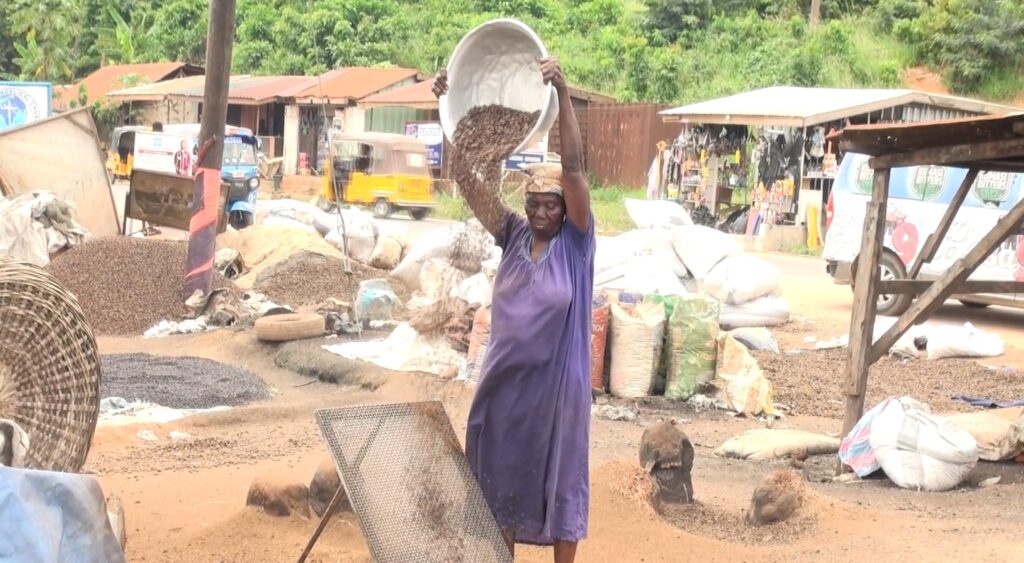
Faustina Bukari, who has worked in the industry for more than 35 years, recalls a time when seasonal patterns were easier to anticipate.
“In the past, we knew when the rains would come and how to plan our work around them,” she says. “Now the weather changes suddenly, and sometimes rain interrupts production for days.”
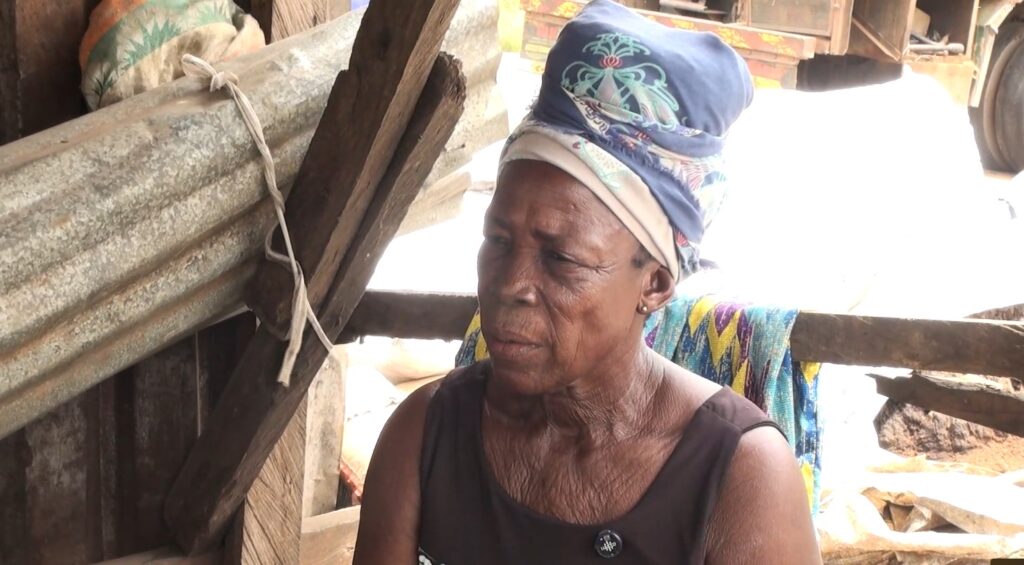
The experiences of the women reflect broader concerns raised by climate experts, who warn that changing rainfall patterns and rising temperatures could affect agricultural value chains across Ghana.
Yet despite these challenges, the women have developed their own coping strategies. They closely monitor weather conditions, adjust processing schedules, and work collectively to protect raw materials when unexpected rains occur.
Within the sheds, knowledge is constantly shared between older and younger producers, helping the group respond to changing conditions.
Their resilience has helped sustain an industry that has survived for generations. Still, the women believe adaptation can go further.
According to John Kennedy Apegyah, Director of Business Development at the Chamber of Agribusiness Ghana, greater mechanisation could help safeguard the livelihoods of women working in the palm kernel value chain while strengthening the sector’s resilience to climate-related disruptions.
“Many of these women are spending long hours performing physically demanding tasks under increasingly difficult weather conditions.
Modern processing equipment can significantly reduce the manual burden of production, improve efficiency, and help maintain output even when changing weather patterns disrupt traditional processing schedules.
Mechanisation is not just about increasing productivity; it is also about protecting livelihoods, improving working conditions, and ensuring that small-scale processors can adapt to the realities of a changing climate.” She said.
“If we get more machines, the work will be easier,” says Vivian Beluka, a mother of three. “It will help us produce more and make the work safer.”
Their appeal highlights a growing conversation within climate adaptation efforts: how to support workers in informal sectors that are often overlooked despite their economic importance.
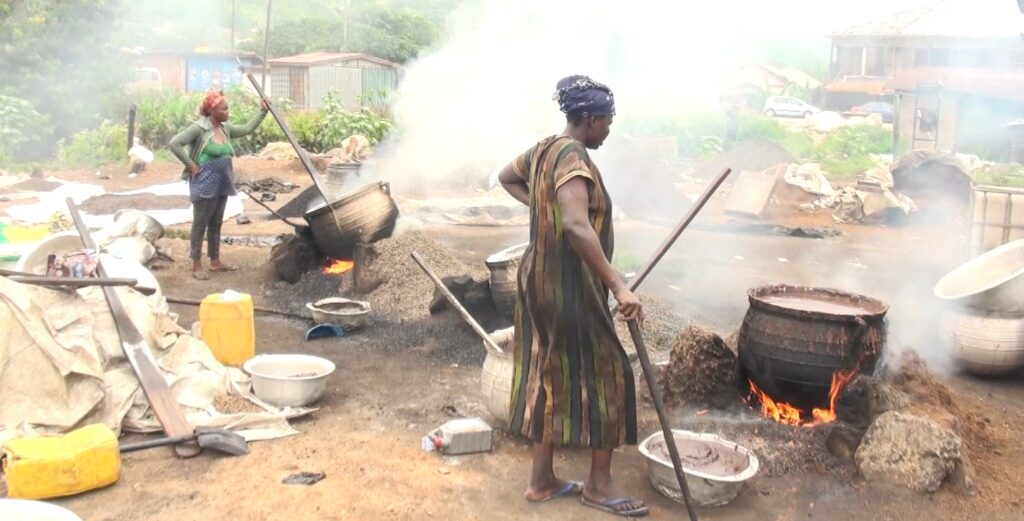
Along the Koforidua–Ada Road, the women continue their work much as they always have,sharing tools, exchanging advice, and processing palm kernels under challenging conditions. But their story is not only one of endurance.
It is also a story of adaptation, innovation, and determination.
SOURCE: KAREN ANTWI, JOURNALIST