

SOURCE: Dadzie Gifty, Environment and Sustainability Journalist
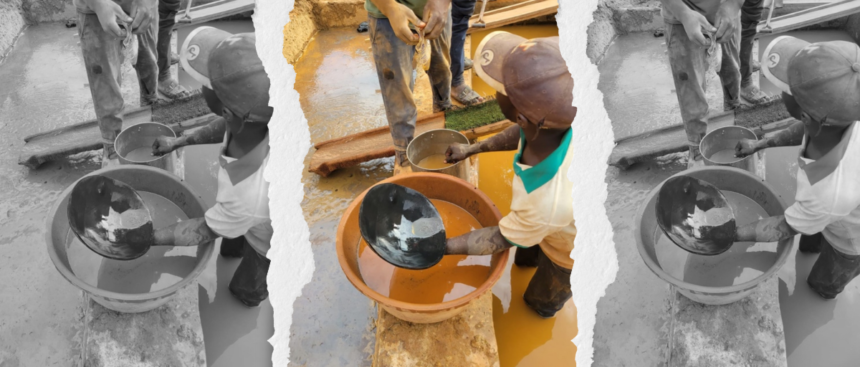
Illegal mining, popularly known as galamsey, is no longer just an environmental crisis; it is a growing public health emergency. Across Ghana, the reckless use of mercury in gold extraction is seeping into rivers, contaminating aquatic life, and ultimately finding its way onto our plates.
METHYLMERCURY: THE TOXIN ON OUR PLATES
Seafood is one of the main sources of protein, essential omega-3 fatty acids (EPA and DHA), and critical micronutrients like vitamin D, selenium, iodine, and zinc. It is particularly beneficial for heart and brain health, aiding in reduced inflammation and cognitive function.
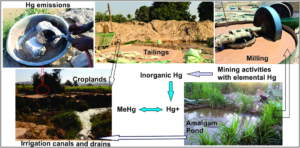
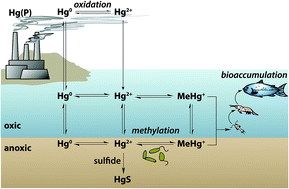
But did you know that your favorite seafood could contain Methylmercury? Mercury naturally originates from the earth’s crust, but volcanic activity and human activity such as residential coal for heating and cooking, industrial process, waste incineration and mining for gold, mercury and other metals releases mercury into the environment.
Bacteria transform mercury into methylmercury, fish and shellfish biologically accumulates methylmercury which ends up in large predatory fishes like sharks, swordfish and tuna as a result of eating smaller contaminated fish.
Who is at risk?
Mercury is toxic to human health, particularly to the development of a child in utero and in early life.
Signs and symptoms.
Effects of mercury on human health are countless including, kidney and numerous system damage as well as skin damage. Exposure of the fetus to methylmercury poses a threat to the unborn child.
The inorganic salts of mercury are corrosive to the skin, eyes, and gastrointestinal tract and may induce kidney toxicity if ingested.
Neurological and behavioral disorders may be observed after ingestion. Symptoms include tremors, insomnia, memory loss, headaches, neuromuscular effects (effects on the muscles and nerves), cognitive and motor dysfunction.
Prevention and control
Some intervention to prevent environmental releases and human exposure include ….
Eliminate mercury mining, and use of mercury in gold extraction and other industrial processes
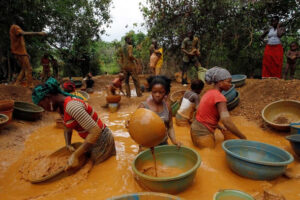
Mercury is an element that cannot be destroyed; therefore, mercury already in use can be recycled for other essential uses, with no further need for mercury mining. Mercury use in artisanal and small-scale gold mining is particularly hazardous, and health effects on vulnerable populations are significant. Non-mercury (non-cyanide) gold-extraction techniques need to be developed and implemented, and where mercury is still used, safer work practices need to be employed to prevent exposure.
Implementing safe handling, used disposable of mercury-containing products and waste
Mercury is contained in many products including:
- Batteries
- Measuring devices, such as thermometers and barometers
- Electric switches and relays in equipment
- Lamps (including some types of light bulbs)
- Dental amalgam (for dental fillings)
- Skin-lightening products and other cosmetics
- Pharmaceuticals
Dental amalgam, a common filling material for treating dental caries, has been used for over 175 years. One of the global targets of the World Health Organization (WHO) Global oral health action plan 2023-2030 is that, by 2030, 90% of countries have implemented measures to phase down the use of dental amalgam as stipulated in the Minamata Convention on Mercury or have phased it out.
Skin lightening or skin bleaching is a dangerous practice often associated with the risk of exposure to mercury salts to inhibit melanin production. Mercury-containing skin lightening products are hazardous to health and have even been banned in many countries. However, even in countries where tight controls exist, such products may be found being advertised and available to consumers via the internet and other means.
Political agreement
The continued release of mercury into the environment from human activity, the presence of mercury in the food chain, and the demonstrated adverse effects on humans led to the Minamata Convention on Mercury in 2013. The Convention obliges Government Parties to take a range of actions, including addressing mercury emissions to air and the phasing out of certain mercury containing products.
An amendment to the Minamata Convention in 2023 prohibits the manufacture, import or export of certain mercury-added products after 2025. The products list includes batteries, switches and relays, fluorescent lamps, non-electric measuring devices, cosmetics, etc.
To end,
Mercury is everywhere, in the air, our meals, fever thermometers, cosmetics, dental fillings, etc.
Misuse or overuse of mercury-containing products can lead to excessive exposure to mercury compounds. This happens especially with outdated products that contain more mercury. The onus lies each one of us to protect our health and prioritize our wellbeing.
For, TMG Research & Investigative Desk.