
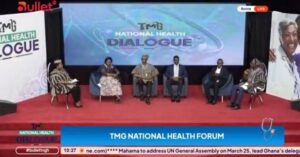
In a country where access to healthcare remains uneven, Tobinco Media Group (TMG) National Health Dialogue is forcing Ghanaians to confront uncomfortable truths about their health system, from self-medication habits to overstretched hospitals and the human cost of systemic gaps.
At the heart of the discussion is a growing culture of self-diagnosis. Contrary to popular belief, participants argue that self-medication is not driven by illiteracy, but rather by the educated class. With the rise of social media, online drug advertising, and easy access to AI and search engines like google, many Ghanaians are increasingly bypassing doctors altogether. Instead, they rely on digital information, personal assumptions, or advice from acquaintances to treat themselves. While self-medication is not inherently harmful, experts warn that uninformed self-medication, driven by panic, misinformation, or convenience, poses serious health risks.
This behaviour is further reinforced by social influence. Stories shared in markets, communities, and online spaces often amplify fear, pushing individuals to take drastic health decisions without proper medical consultation. In many cases, people even replicate prescriptions given to others simply because symptoms appear similar, a practice that medical professionals describe as dangerous and potentially fatal.
Beyond patient behaviour, the dialogue exposes deep structural issues within Ghana’s healthcare system. A recurring concern is the persistent “no bed syndrome,” where patients are turned away due to lack of space. Health advocates recount visiting facilities where bed shortages are critical, prompting calls for government to prioritise the renovation of existing infrastructure rather than discarding damaged equipment. According to stakeholders, there is local expertise available to restore these facilities if given the necessary support.
But the crisis extends beyond physical beds. Healthcare professionals stress that the real issue includes shortages in equipment, specialists, and essential personnel. In many facilities, particularly outside major cities, a single nurse is often forced to perform multiple roles, from taking laboratory samples to dispensing medication. This practice, while born out of necessity, raises serious concerns about quality of care and patient safety.
Personal experiences shared during the dialogue highlight the human impact of these systemic failures. Patients recount instances of misplaced lab samples, poor communication, and unprofessional conduct by some health workers. These experiences are driving many Ghanaians toward private healthcare facilities, which are perceived to offer better service, though not without their own challenges.
Healthcare professionals, however, push back against the narrative of indifference. They argue that overwhelming patient volumes, combined with limited resources, create conditions that strain even the most committed workers. The issue, they insist, is not a lack of care, but a system under pressure.
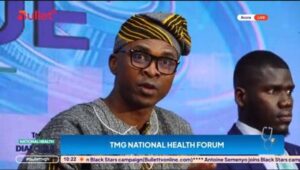
The discussion also raises broader policy questions. Stakeholders are calling for targeted interventions to encourage young pharmacists and other health professionals to work in rural areas, ensuring more equitable distribution of healthcare services. President of the Pharmaceutical Society of Ghana (PSGH), Paul Owusu Donkor, emphasized, such interventions are inclusive and apply to all qualified practitioners regardless of where they were trained, as long as they meet national standards.
Emergency response gaps are another pressing concern. The absence of dedicated ambulance lanes, for instance, has led to delays that can cost lives. Participants argue that urban planning and health policy must intersect more effectively to ensure timely emergency care. Suggestions include building well-equipped standard hospitals in key locations and developing surge capacity plans to respond to public health emergencies.
The rise of unregulated health advice on social media also features prominently in the dialogue. Medical experts warn against self-acclaimed practitioners who diagnose and prescribe treatments online without proper credentials. They stress the urgent need for public health education to protect citizens from exploitation and misinformation.
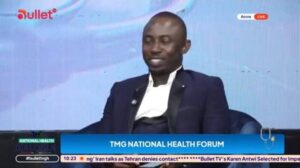
Addressing concerns about healthcare delivery and professional conduct, Greater Accra Regional Chairman of the Ghana Nursing and Midwifery Association, Jefferson Asare, pointed to systemic gaps in staffing and training. He explained that in many facilities, nurses are compelled to perform duties outside their core responsibilities due to the absence of specialized personnel such as laboratory technicians, pharmacists, and doctors, a situation that increases the risk of errors and compromises patient care.
At its core, the TMG National Health Dialogue reveals a system at a tipping point, one where patient behaviour, resource limitations, and institutional gaps intersect. It also underscores a shared responsibility: from government policy and professional accountability to community attitudes and individual choices.
As the conversation continues, one message stands clear, improving healthcare in Ghana will require more than isolated interventions. It demands a coordinated, collective effort to build a system that is not only accessible, but safe, responsive, and humane.
CREDIT: Mavis Fantevi