


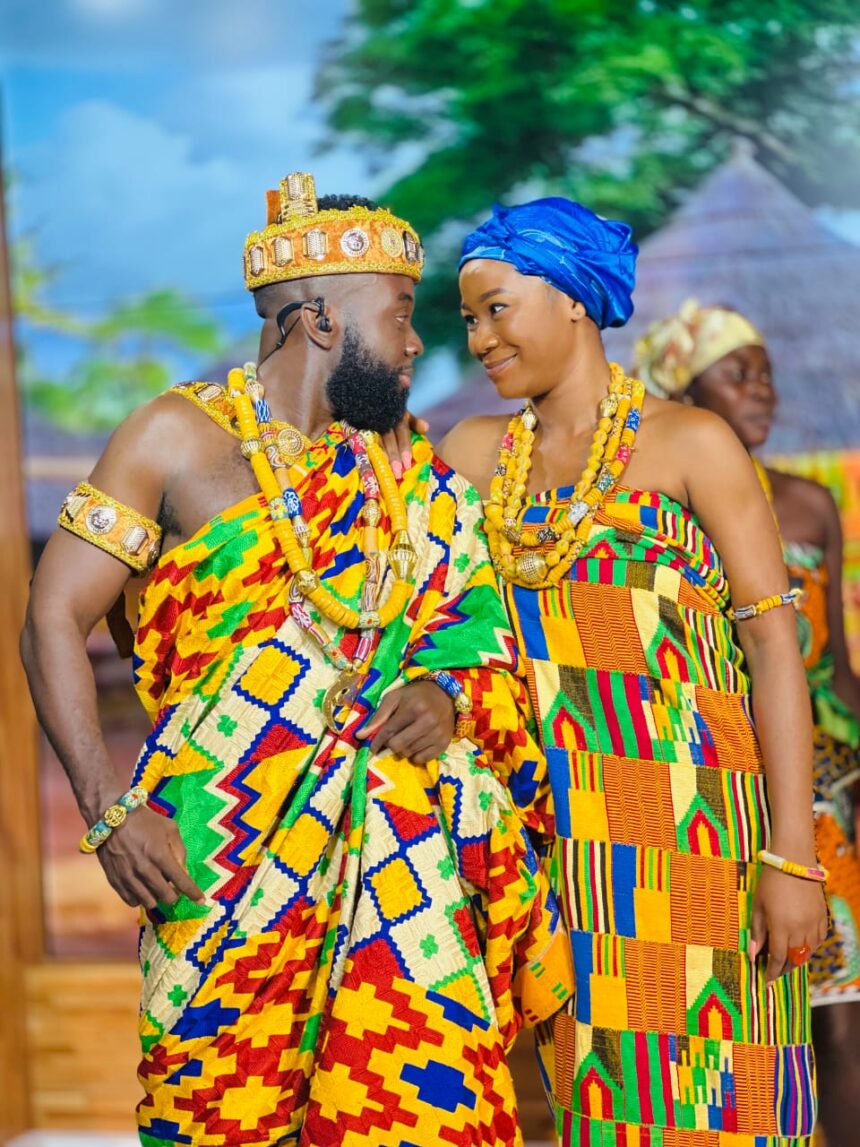
Every March, Ghana comes alive in a special way. The streets fill with vibrant kente patterns, social media feeds overflow with traditional meals, and conversations about culture, language, and heritage become louder and more deliberate. Ghana Month, which leads up to Independence Day on March 6, has gradually grown from a simple commemoration into a powerful movement that is inspiring a renewed sense of national pride among Ghanaians.
For many years, Independence Day celebrations were largely limited to parades, official speeches, and school events. Today, Ghana Month has expanded the meaning of national celebration. It now includes cultural showcases, fashion campaigns, food festivals, and digital storytelling about Ghanaian identity. In a country where the youth dominate the population, the energy of young people has played a major role in shaping this shift.

One of the most visible aspects of Ghana Month is the celebration of local fashion. Throughout March, many people deliberately choose to wear traditional fabrics such as kente, Ankara, and fugu. Offices organize “wear Ghana” days, and schools encourage students to dress in cultural attire. What once felt like something reserved for festivals or weddings is now becoming part of everyday expression.
Social media has contributed to amplifying this movement. Platforms like Instagram, TikTok, and X have become spaces where people proudly showcase their culture. Photos of beautifully prepared local dishes, traditional outfits, and historic landmarks circulate widely. Hashtags related to Ghana Month trend every year, creating a digital celebration that reaches Ghanaians at home and also in the diaspora.

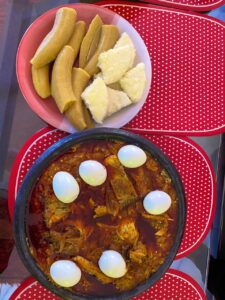
Restaurants and food vendors use the month to highlight traditional dishes that are sometimes overlooked in everyday dining. Waakye, banku, tuo zaafi, kenkey, and fufu are promoted as symbols of Ghanaian heritage rather than just ordinary meals. Food bloggers and chefs are also introducing creative versions of these dishes, making them appealing to younger audiences while still respecting tradition.
Beyond food and fashion, Ghana Month has sparked deeper conversations about language and culture, and many people use the period to promote local languages and storytelling. Radio stations host discussions on Ghanaian history. Cultural groups organize events that showcase drumming, dance, and folklore. These efforts help younger generations reconnect with traditions that might otherwise fade with time.
Another important element of Ghana Month is the renewed interest in tourism and local exploration. Many Ghanaians are using the period as an opportunity to visit historical sites, museums, and cultural landmarks across the country. From Cape Coast Castle to the Wli Waterfalls and the Larabanga Mosque, local tourism campaigns are encouraging citizens to discover the beauty within their own country.

What makes Ghana Month particularly powerful is that it feels organic, and it is not driven solely by government programs. Much of the energy comes from ordinary citizens who are proud of where they come from and want to celebrate it in their own way.
In a world where global culture often overshadows local identity, Ghana Month is becoming a reminder that pride in heritage still matters. It encourages Ghanaians to appreciate their history, support their local industries, and tell their own stories.
Credit: Manasseh Wintemah Apurum