



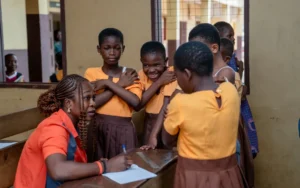
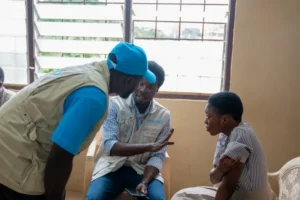
A total of about 370 girls aged between nine and 14 in Mankessim have received the Human Papillomavirus (HPV) vaccine in an initiative aimed at preventing cervical cancer.
The vaccination exercise, held on Tuesday, March 3, was organised by Sanford Health Ghana in partnership with World Shoe and Samaritan Feet.
Support for Beneficiaries
In addition to the vaccination, the girls were presented with EVA shoes donated by Samaritan Feet, the charitable arm of World Shoe. The footwear, produced by the Akosombo-based manufacturer, is known for being durable, antimicrobial, and environmentally sustainable.
Addressing a Major Health Threat
The vaccination forms part of ongoing efforts to curb Cervical Cancer, which health experts say is largely caused by the Human Papillomavirus.
HPV is a common sexually transmitted infection that often shows no symptoms and may clear on its own. However, persistent infection can lead to serious health complications. Medical experts attribute:
–Nearly all cervical cancer cases to HPV
–About 90% of anal cancers
–Around 78% of vaginal cancers
to the virus.
National Vaccination Efforts
In October last year, Ghana’s Minister for Health, Kwabena Mintah Akandoh, launched a nationwide free HPV vaccination programme in Accra for girls aged nine to 14.
At the launch, he revealed that Ghana records close to 3,000 new cervical cancer cases each year, with almost 2,000 deaths, describing the numbers as representing “real mothers, sisters and daughters who are vital to our homes and communities.”
Preventing Cervical Cancer
According to Dr. Darkwah of Sanford Health Ghana, cancer remains one of the leading causes of death among women in Ghana, with cervical cancer ranking among the most serious after breast cancer.
She praised the Ghana Health Service for integrating the HPV vaccine into its Expanded Programme on Immunisation, making it accessible to more children.
Dr. Darkwah revealed that Sanford Health Ghana had already sponsored HPV vaccinations for about 2,500 children before the government began funding the programme. Since then, the organisation has continued to collaborate with the Ghana Health Service to support vaccine rollout, tackle vaccine hesitancy, and educate communities.
“It is very preventable with the vaccine if you get it at the right time, and it is a very effective vaccine. Each one of us deserves this vaccine,” she said.
Health officials believe that sustained vaccination campaigns and public education will help ensure future generations of girls in Ghana grow up free from cervical cancer.