


Ghana’s year-on-year inflation slowed to 3.3% in February, the lowest level since the country’s consumer price index was rebased in 2021, the national statistics office said Wednesday.
The decline marked the 14th straight month of easing price growth, down from 3.8% in January and sharply lower than the 23.1% recorded a year earlier.
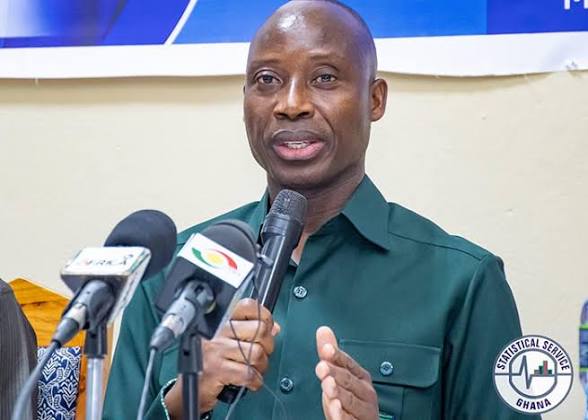
Government Statistician Alhassan Iddrisu said the moderation reflects easing price pressures, with inflation now “lower, narrower and more stable” compared to last year.
Food inflation dropped to 2.4% from 3.9% in January, while non-food inflation edged up to 4%. Imported inflation fell to 0.6%, supported by exchange rate stability and softer global prices, though locally produced items registered 4.5%.
Regional disparities remained, with the Northeast posting the highest inflation at 8.9% and the Savannah Region recording deflation of 5.6%. Greater Accra contributed the largest share to national inflation due to its weight in the CPI basket.
Housing, utilities and education services were the biggest drivers of inflation, while transportation costs exerted downward pressure.
Iddrisu urged continued fiscal discipline and targeted supply-side measures to sustain the disinflation trend.