

By Prince Tuffuor
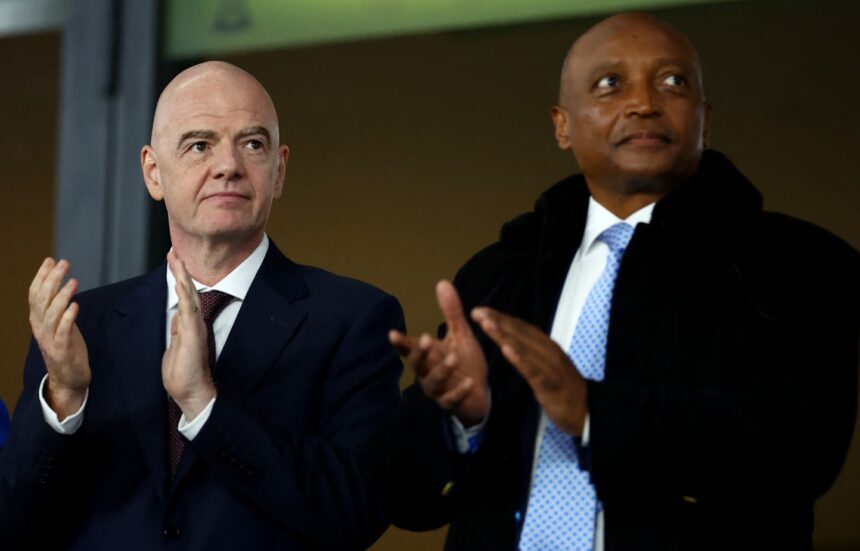
CAF President Patrice Motsepe has strongly denied allegations that FIFA influenced the decision to move the Africa Cup of Nations (AFCON) from a two-year to a four-year cycle.
Speaking on January 17, 2026, Motsepe confirmed that AFCON will officially adopt a four-year cycle after the 2028 edition, marking a major shift from the tournament’s long-standing biennial format. He dismissed suggestions that the move was driven by FIFA President Gianni Infantino, who has publicly advocated for a four-year AFCON cycle since 2020.
“It should not be about FIFA says this or UEFA says this. We run Africa for Africa,” Motsepe stated emphatically.
The announcement was made in Rabat, Morocco, on the eve of the 2025 AFCON final between hosts Morocco and Senegal, adding further spotlight to the decision.
Concerns and Criticism
Despite Motsepe’s assurances of CAF’s independence, the decision has sparked strong backlash from sections of the African football community. Critics argue that the move was taken without broad consultation with CAF’s 54 member associations.
Others have raised concerns that extending the tournament cycle could slow football infrastructure development across the continent. Historically, the two-year AFCON cycle has pushed governments to invest in stadiums, roads, and sports facilities in preparation for hosting duties.
Some stakeholders also fear the longer cycle could reduce competitive exposure for African teams and diminish AFCON’s visibility on the global football calendar.
What Comes Next
CAF leadership maintains that the change will improve tournament quality, commercial value, and long-term planning. However, debate continues over whether the benefits outweigh the potential drawbacks for African football development.
As CAF prepares for future editions beyond 2028, the controversy highlights growing tensions between administrative reforms and stakeholder expectations within African football.