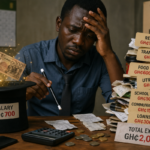


The Minority in Parliament has sharply criticised the recent increases in water and electricity tariffs, warning that the hikes will erase the negotiated 9% wage adjustment for 2026 and deepen the economic hardship of Ghanaians.
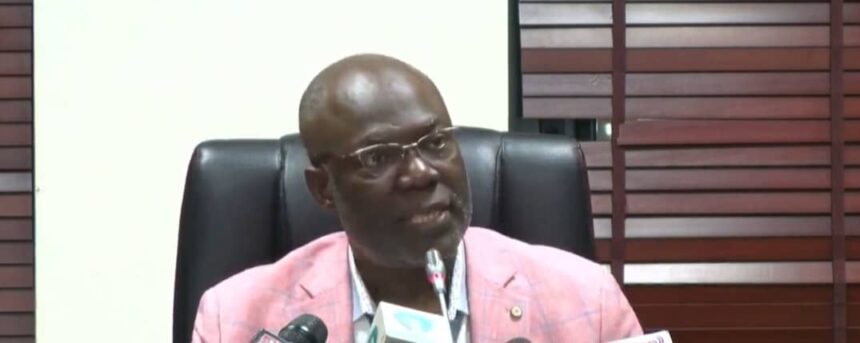
Addressing a press conference in Accra on Monday, December 8, the Ranking Member on Parliament’s Energy Committee, George Kwame Aboagye, cautioned that the cumulative effect of the tariff hikes would nullify the intended financial relief from the wage increment.
“This will completely wipe out the mega nine per cent wage adjustment for 2026.”
The recent utility increases electricity tariffs rising by up to 9% and water tariffs by over 15% come barely a month after the tripartite committee concluded negotiations for a 9% increase in the minimum wage and base pay for workers for the 2026 fiscal year.
Mr. Aboagye accused the government of failing to address systemic inefficiencies in the energy sector, instead burdening consumers with higher costs.
“Why does the government ignore this reality and instead impose measures that further impoverish Ghanaians? Instead of fixing the system, the government has chosen the lazy path of shifting its failures onto already suffering consumers.”
He also argued that the government’s reliance on tariff hikes is undermining efforts to improve real incomes and economic stability, a concern shared by organised labour and consumer groups.
To support his claims, Mr. Aboagye highlighted the financial impact of generation overcapacity under Power Purchase Agreements (PPAs). He noted that Ghana’s installed generating capacity stands at 5,500 megawatts (MW), compared to a recent national peak demand of 4,080 MW.
This gap, he explained, represents costly idle capacity, often referred to as “Take or Pay” costs.
“5,500 megawatts and a recent peak demand of 4,080 megawatts; 32% amounted to 1,120 megawatts and 1,305 megawatts, and if you quantify it at the price of 16 cents as a match price this year, you get 80 to 90 million dollars in losses.”
The Minority further stressed that these estimated losses between $80 million and $90 million are a significant drain on the national budget, yet remain unaddressed by the government’s tariff strategy. By focusing on tariff hikes rather than tackling inefficiencies and losses in the energy sector, the Minority notes is short-sighted fix that penalises ordinary citizens.
“The government has chosen the lazy path of shifting its failures onto already suffering consumers.” George Kwame Aboagye said.