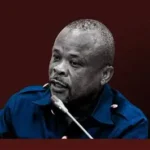


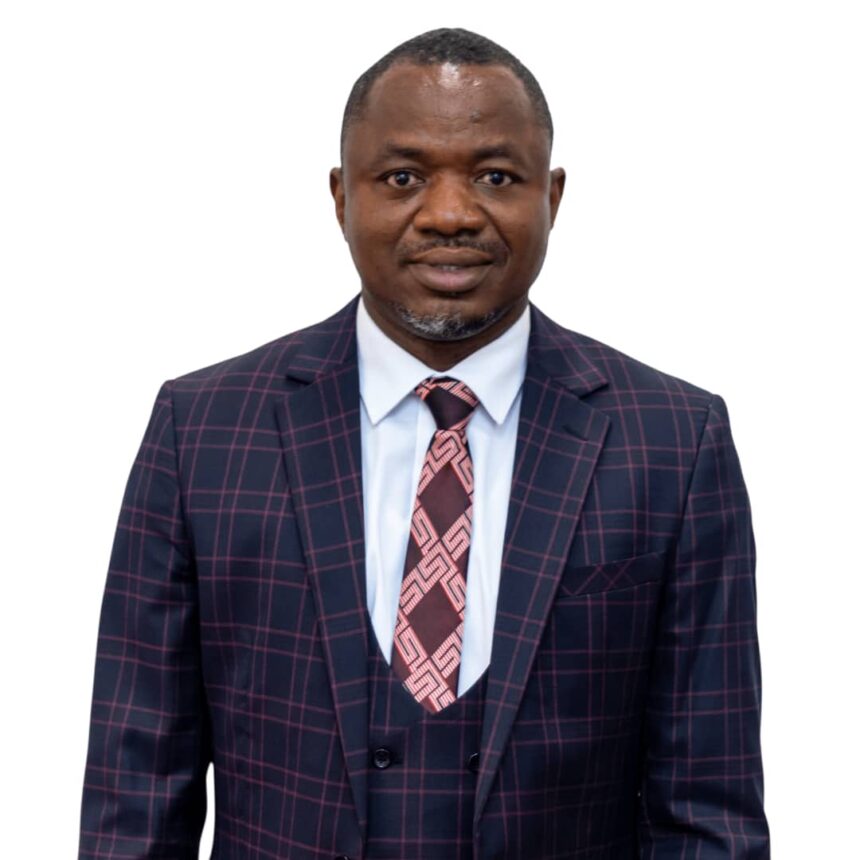
Chairman of the Board of Korle Bu Teaching Hospital, Prof. Titus Beyuo, has lamented the absence of defined incentives for doctors posted to rural areas. Speaking in a yet-to-be-aired interview with Bullet TV’s Philip Abutiate, he noted that despite past suggestions to design such a scheme, no pay differential or support system currently exists.
“Currently, we don’t have one. So, there is no pay differential. The person working in the village, who is on duty every day, is paid the same as a doctor in Korle Bu who goes on normal shifts and gets days off,” Prof. Beyuo said.
“The absence of pay disparity means you are cheated if you are in the village,” he added.
Prof. Beyuo further criticized the current posting regime, which he said is based on regional needs but often manipulated by individuals with connections to authority, allowing them to avoid rural postings and remain in urban centers.
Background: Doctors Shun Rural Postings
Fresh data from the Ghana Health Service (GHS) has revealed a worrying nationwide turnout gap. The November 2025 report revealed, 7 out of every 10 newly posted medical officers failed to report to their assigned regions.
– Out of 463 medical officers allocated across the 16 regions, only 158 reported, representing just 34% of expected postings.
– An overwhelming 305 doctors (66%) have yet to show up.
This shortfall has left several regions critically underserved. Some recorded zero arrivals, while others reported only single-digit numbers.
Urban Pull vs. Rural Neglect
The contrast is striking. Ghana’s largest metropolitan regions Greater Accra and Ashanti recorded turnout levels well above 60%, underscoring a strong preference for urban postings. Meanwhile, many rural regions remain almost completely unattended, deepening inequities in healthcare access.
The figures highlight a growing crisis in workforce deployment, with rural communities left waiting for doctors who may never arrive.