



International Relations and Security Analyst, Irbad Ibrahim, has faulted the government’s handling of the ongoing Bawku conflict, arguing that the exclusion of seasoned diplomats and traditional leaders from the mediation process is a major flaw.
According to him, Ghana boasts a wealth of career diplomats who have successfully resolved complex disputes at the international level, yet their expertise has not been tapped in this critical national matter.
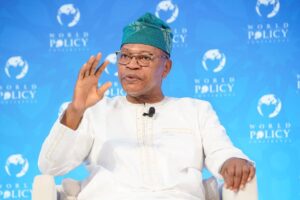
Mr. Ibrahim described the mandate given to the Asantehene, Otumfuo Osei Tutu II, as “a burden which does not fall within his scope,” stressing that the responsibility could have been shared with other traditional leaders such as the Dagbon Wura, Yaa Naa, as well as experienced diplomats like Muhammad Ibn Chambas.
Citing the Dagbon conflict as precedent, he noted that multiple actors were involved in the mediation process, which contributed to its eventual resolution. He therefore questioned why the Asantehene alone has been tasked with leading efforts in Bawku, a conflict he considers even more complicated.
“The chances of him (Otumfuo) succeeding would have been higher if we included the individuals I have mentioned,” Mr. Ibrahim emphasized.